Steps to Prepare for Shoulder Reconstruction Surgery in Anchorage
Shoulder reconstruction is a significant medical intervention that restores function and eliminates chronic pain for thousands of patients annually. According to recent orthopedic data, shoulder surgeries account for a substantial percentage of all orthopedic procedures performed in the United States, with recovery timelines varying based on the specific technique used. Preparing for this procedure involves more than just scheduling an appointment; it requires a strategic approach to your physical health, home environment, and mental readiness. At Alaska Shoulder & Orthopaedic Institute, we guide patients through every phase of this journey, ensuring that those in Anchorage and surrounding regions receive highly specialized care tailored to their unique anatomical needs.
The Initial Consultation and Diagnosis
The journey begins with a comprehensive evaluation. Shoulder reconstruction is not a one-size-fits-all procedure. It is a surgical intervention designed to repair damaged structures within the shoulder joint, such as the rotator cuff, labrum, or ligaments. The goal is to stabilize the joint and restore range of motion.
During your initial visit to our clinic at 4015 Lake Otis Parkway, Dr. Kevin Paisley will conduct a thorough physical examination. This includes assessing your range of motion, strength, and specific areas of pain. Diagnostic imaging, such as MRI or X-rays, is often required to visualize the soft tissues and bone structure. This detailed assessment allows us to determine if reconstruction is the appropriate course of action or if conservative treatments should be exhausted first.
Understanding the specific nature of your injury is critical. For instance, a labral tear may require different surgical techniques than a massive rotator cuff tear. Our team specializes in shoulder reconstruction, ensuring that you receive expert care from a provider who focuses exclusively on this complex area of orthopedics. You can learn more about our evaluation and treatment services to understand the breadth of our diagnostic capabilities.
Medical Clearance and Pre-Op Testing
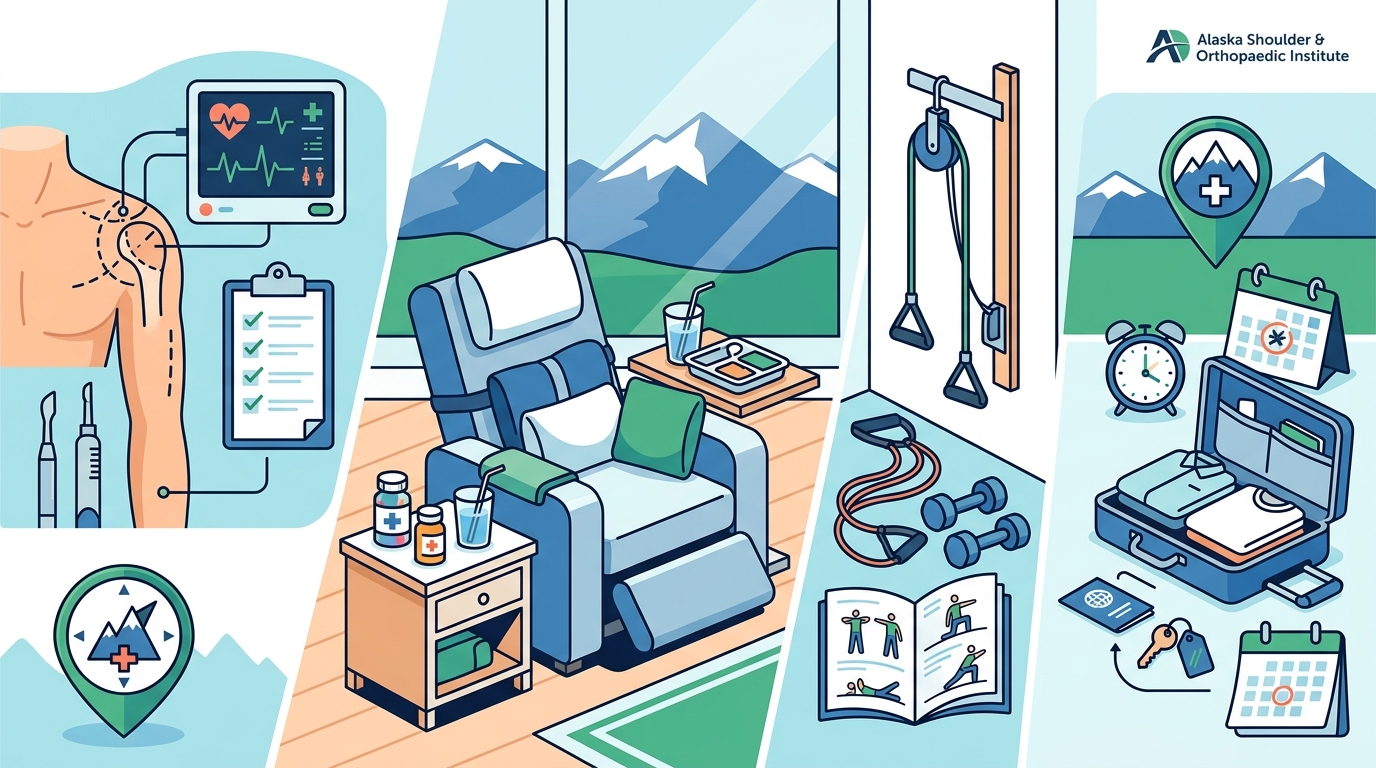
Before any surgical procedure, medical clearance is essential. This step ensures that your body is ready to withstand the stresses of anesthesia and surgery. Depending on your age and medical history, you may need blood tests, an electrocardiogram (EKG), or a consultation with your primary care physician.
If you are taking any medications, particularly blood thinners, anti-inflammatories, or supplements, you must disclose these to your surgical team. Some medications may need to be paused or adjusted prior to surgery to reduce the risk of bleeding or adverse reactions. This process is standard for ensuring patient safety and is a key component of our patient portal communication workflow.
For patients with chronic conditions such as diabetes or hypertension, tight control of these conditions is vital for optimal healing. Poorly controlled blood sugar levels, for example, can significantly increase the risk of infection and delay wound healing. Our team will work with your primary care provider to ensure all systems are optimized before your procedure date.
Preparing Your Home for Recovery
Recovery from shoulder reconstruction requires a supportive home environment. Since your dominant arm will be immobilized, you must adapt your daily living spaces to accommodate this limitation. The first step is to create a "recovery zone" on the main floor of your home to avoid navigating stairs with a sling.
Essential Home Modifications:
- Bedding: Use a wedge pillow or a recliner to sleep in a semi-upright position. This reduces strain on the shoulder and prevents rolling onto the surgical site during sleep.
- Kitchen Access: Place frequently used items in the front of cabinets and drawers. Avoid reaching overhead or behind your back. Consider using adaptive utensils with built-up handles for easier gripping.
- Bathroom Safety: Install a shower chair and a handheld showerhead. Non-slip mats are essential to prevent falls, especially when one arm is not available for balance.
- Clothing: Invest in button-down shirts or tops with wide necklines. You will need to dress the affected arm first and undress it last. Avoid pullover shirts initially.
Preparing your home in advance reduces stress and allows you to focus entirely on healing. If you have questions about specific adaptive equipment, our staff at Alaska Shoulder & Orthopaedic Institute can provide recommendations based on our patients' experiences.
Lifestyle Adjustments and Medication
Smoking and tobacco use are significant risk factors for surgical complications. Nicotine constricts blood vessels, which reduces blood flow to the surgical site. This can lead to poor wound healing, increased infection risk, and even bone non-union in some cases. It is strongly recommended that you stop smoking at least several weeks before and after surgery.
Alcohol consumption should also be moderated or avoided in the days leading up to surgery, as it can interact with anesthesia and pain medications. Additionally, arranging for transportation is non-negotiable. You will not be able to drive yourself home after anesthesia. Plan for a family member or friend to drive you to the surgical center and pick you up afterward. You will also need assistance for the first few days at home.
Our clinic offers rejuvenative therapies such as stem cell and plasma injections for certain conditions, but for reconstruction, surgical precision is key. Understanding the distinction between these treatments helps set realistic expectations for your recovery timeline.
The Day of Surgery
On the day of your procedure, follow the fasting instructions provided by your surgical team. Typically, this means no food or water after midnight. Wear loose, comfortable clothing that is easy to put on with one arm. Leave jewelry and valuables at home.
You will be admitted to the surgical center where the anesthesia team will meet with you. They will discuss the type of anesthesia, which may be general anesthesia or a regional nerve block. The nerve block is particularly important for post-operative pain management, providing relief for several hours after the surgery.
Dr. Paisley and his team will perform the reconstruction using advanced techniques tailored to your specific injury. The surgery may involve arthroscopic (minimally invasive) or open techniques, depending on the complexity of the repair. The duration of the surgery varies but typically ranges from one to three hours.
Post-Operative Rehabilitation
Rehabilitation is the cornerstone of a successful shoulder reconstruction. Without proper physical therapy, the shoulder can become stiff and weak, leading to poor outcomes. Physical therapy usually begins within a few days after surgery, focusing on passive range of motion exercises.
Over the following weeks and months, the therapy progresses to active motion and then strengthening exercises. The timeline for returning to full activity depends on the type of reconstruction and your individual healing rate. Most patients can return to desk work within a few weeks, but heavy labor may require several months of recovery.
Our team emphasizes the importance of compliance with your therapy regimen. Regular check-ups with Dr. Paisley will monitor your progress and adjust the treatment plan as needed. We also offer comprehensive orthopedic care for other joint issues, ensuring holistic support for your overall musculoskeletal health.
Key Takeaways
- Specialized Care: Alaska Shoulder & Orthopaedic Institute specializes in shoulder reconstruction, providing expert care for complex shoulder injuries.
- Home Prep: Prepare your home by creating a recovery zone, adjusting kitchen access, and securing bathroom safety equipment.
- Medical Clearance: Obtain necessary medical clearance and adjust medications under the guidance of your healthcare provider.
- Lifestyle Changes: Stop smoking and arrange for transportation and home assistance prior to surgery.
- Rehabilitation: Commit to a rigorous physical therapy regimen to restore strength and range of motion.
- Team Approach: Work closely with Dr. Kevin Paisley and PA Leland Grohs for personalized treatment plans.
- Advanced Therapies: Explore rejuvenative options like stem cell therapy for complementary care where appropriate.
Frequently Asked Questions
How long does shoulder reconstruction surgery take?
The duration of the surgery varies depending on the complexity of the repair. Typically, arthroscopic procedures may take one to two hours, while more complex reconstructions can take up to three hours or more.
What is the recovery time for shoulder reconstruction?
Recovery timelines vary. Initial healing takes about six weeks, but full recovery and return to sports or heavy labor can take four to six months. Physical therapy is crucial throughout this period.
Will I need physical therapy after surgery?
Yes, physical therapy is essential. It begins shortly after surgery and continues for several months to restore range of motion and strength. Compliance with therapy is vital for a successful outcome.
Can I sleep after shoulder reconstruction surgery?
Sleeping can be challenging initially. It is recommended to sleep in a recliner or propped up with pillows to keep the shoulder in a neutral position. Avoid sleeping on the operative side.
What are the risks of shoulder reconstruction?
Risks include infection, stiffness, nerve injury, and failure of the repair. However, these risks are minimized by choosing an experienced surgeon and following post-operative instructions carefully.
How do I choose the right surgeon for shoulder reconstruction?
Look for a surgeon who specializes in shoulder and elbow conditions. Board certification, experience with the specific procedure, and patient reviews are important factors. Dr. Paisley is highly specialized in shoulder reconstruction.
What is the cost of shoulder reconstruction in Anchorage?
Costs vary based on insurance coverage and the specific procedure. Our billing team can help verify your benefits and provide estimates. Contact us for more information on medical information and billing.
Contact Us
Preparing for shoulder reconstruction surgery is a significant step toward regaining your quality of life. By following these steps and working closely with our expert team, you can ensure a smoother recovery and better outcomes. If you are experiencing shoulder pain or have been recommended surgery, do not wait to seek care.
Contact Alaska Shoulder & Orthopaedic Institute today to schedule your consultation. Our team is dedicated to providing compassionate, high-quality orthopedic care to the Anchorage community. Call us at (907) 646-7846 or visit our website to learn more about our services.