
Understanding the Surgical Approach
Incision Size and Tissue Trauma
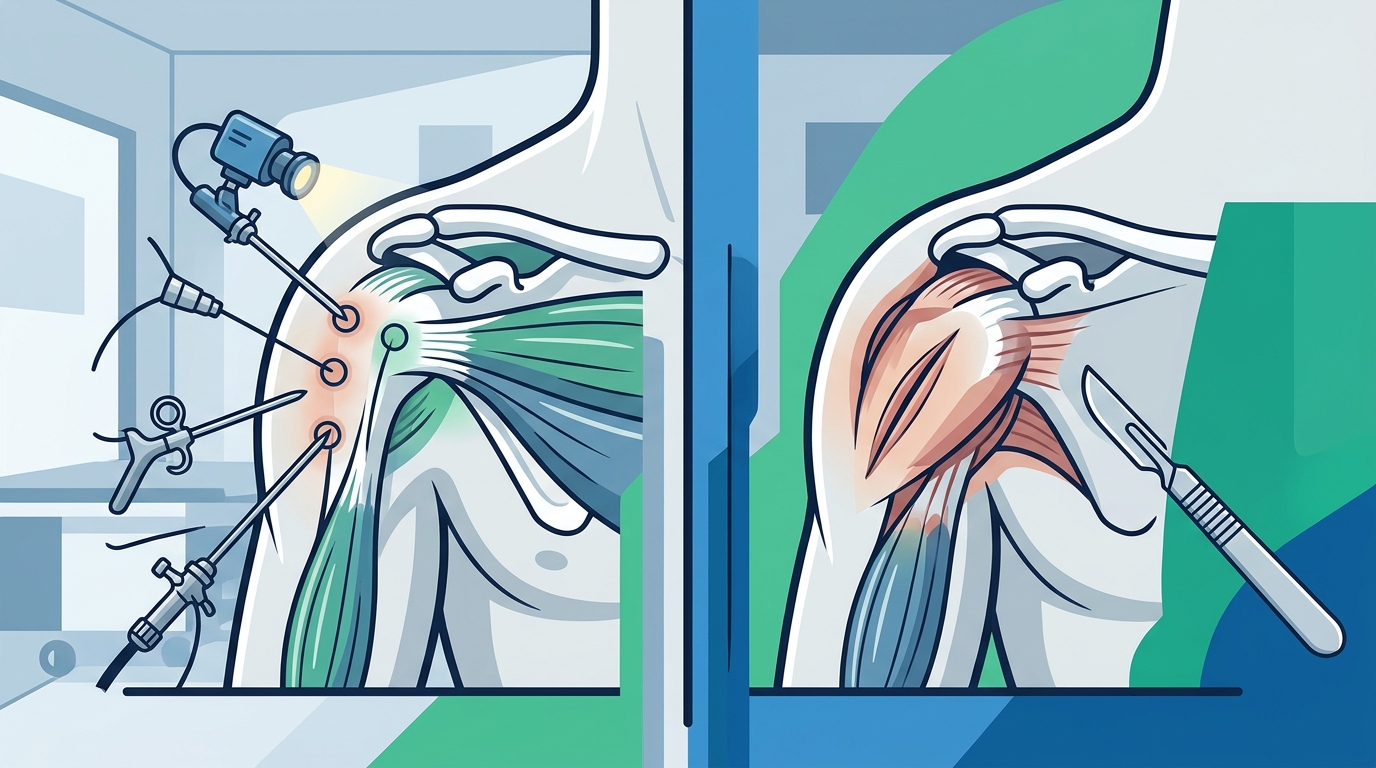
Arthroscopic techniques typically require three to four small incisions, each less than one centimeter in length. This limited access reduces the amount of soft tissue damage compared to the larger incision used in open repair. Reduced tissue trauma is a primary factor in the lower levels of postoperative pain often reported by patients undergoing arthroscopic procedures. The preservation of surrounding muscle and connective tissue allows for a more comfortable initial healing phase. according to A Comparative Analysis For additional details, review the Alaska Shoulder Orthopaedic Institute.
Recovery Timelines and Pain Management
Pain management is a critical component of the postoperative period, and the surgical method significantly influences the intensity of pain experienced. Studies indicate that arthroscopic repairs are associated with slightly lower postoperative pain scores in the immediate weeks following surgery. This reduction in pain can facilitate earlier initiation of physical therapy, which is essential for restoring range of motion. While the overall timeline for returning to full activity remains similar for both techniques, the initial comfort level often favors the arthroscopic approach. For additional details, review the wp.
Return to Work and Daily Activities
Patients undergoing arthroscopic repair may return to sedentary work duties sooner than those who have open surgery. The smaller incisions and reduced muscle disruption allow for less stiffness in the shoulder joint during the early healing stages. For active individuals in Anchorage who rely on their shoulders for recreation, such as skiing or fishing, understanding these nuances helps set realistic expectations. The goal is to minimize downtime while ensuring the tendon heals securely to the bone. For additional details, review the wp.
Comparing Clinical Outcomes and Function
When evaluating the success of rotator cuff repair, clinicians look at functional scores, pain relief, and structural integrity of the repair. A systematic review of the literature found that arthroscopic and mini-open rotator cuff repairs showed comparable functional recovery, pain relief, and range-of-motion outcomes up to two years post-surgery. This suggests that the choice of technique does not significantly alter the final functional result for most patients. The surgeon’s skill and the quality of the tendon tissue are often more critical factors than the specific surgical approach. For additional details, review the .
Long-Term Structural Integrity
Patient-Specific Considerations for Surgery
Role of Regenerative Therapies
In some cases, regenerative therapies such as platelet-rich plasma (PRP) or stem-cell-based treatments may be considered as adjuncts to surgery or as standalone conservative options. These therapies aim to enhance the healing environment, though they are not guaranteed cures. The decision to use such adjuncts depends on the specific clinical scenario and patient goals. A thorough consultation is necessary to determine whether these options are appropriate for an individual patient’s condition. For additional details, review the Customer Experience.
Key Takeaways
- Arthroscopic repair involves smaller incisions and less muscle trauma than open surgery.
- Patients often experience less postoperative pain with arthroscopic techniques.
- Long-term functional outcomes and retear rates are comparable between both methods.
- The choice of surgery depends on tear size, tissue quality, and patient goals.
- Dr. Kevin Paisley provides individualized treatment plans for shoulder conditions.
- Conservative care, including physical therapy and injections, may be appropriate for some patients.
Frequently Asked Questions
Is arthroscopic rotator cuff repair better than open surgery?
How long does recovery take after arthroscopic repair?
Recovery typically involves several months of physical therapy. Most patients return to light activities within 6 to 12 weeks, but full recovery and return to heavy activities can take 6 to 12 months or longer.
Who is a good candidate for arthroscopic repair?
Candidates are typically those with acute or chronic tears who have failed conservative treatment. The surgeon evaluates tear size, tissue quality, and patient health to determine suitability for the minimally invasive approach.
Does Dr. Paisley perform open rotator cuff repairs?
Can I avoid surgery for a rotator cuff tear?
Some patients can manage symptoms with conservative care, including physical therapy, activity modification, and injections. However, if the tear is large or symptoms are severe, surgery may be recommended to restore function.