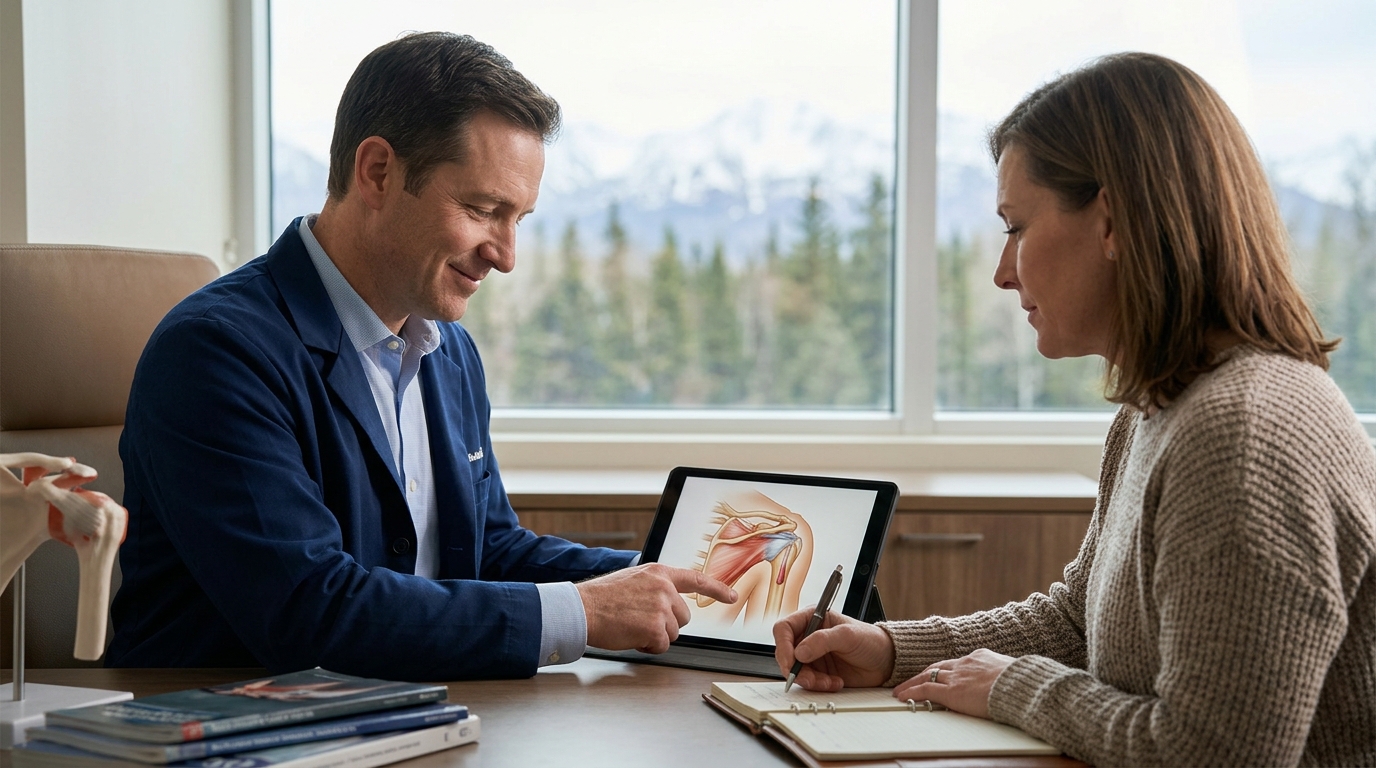
Shoulder surgery specialization is defined by focused training, high procedural volume, and a commitment to evidence-based, individualized care. At Alaska Shoulder & Orthopaedic Institute, Dr. Kevin Paisley brings deep expertise in complex shoulder reconstruction, rotator cuff repairs, and regenerative therapies. This approach ensures patients receive precise diagnoses and treatment plans tailored to their specific anatomy and lifestyle goals.
The Importance of Focused Specialization
General orthopedic surgeons treat a wide variety of musculoskeletal issues, but shoulder specialists dedicate their practice to a single, complex joint. Shoulder surgery specialization is the practice of focusing exclusively on the diagnosis and treatment of shoulder pathologies, such as instability, arthritis, and tendon tears. This narrow focus allows for a deeper understanding of the intricate anatomy of the rotator cuff and glenohumeral joint.
When a surgeon performs a high volume of shoulder-specific procedures, they develop refined technical skills that are difficult to achieve through general training alone. For example, arthroscopic rotator cuff repair requires precise visualization and suture placement in a tight space. A surgeon who performs these procedures daily is more likely to anticipate complications and achieve consistent technical proficiency. This level of expertise is critical for patients with complex cases, such as massive tears or recurrent dislocations.
Training and Board Certification
Formal education is the foundation of surgical competence. Orthopedic surgery residency is a rigorous training program that provides surgeons with the foundational skills needed to operate on the musculoskeletal system. However, for shoulder-specific expertise, many surgeons pursue additional fellowship training. A fellowship is a post-residency training period that allows surgeons to focus on a specific subspecialty, such as shoulder and elbow surgery.
Board certification is a credential that verifies a surgeon has met national standards of knowledge and skill. In the United States, the American Board of Orthopaedic Surgery (ABOS) certifies surgeons after they pass rigorous written and oral examinations. Dr. Kevin Paisley, D.O., is a board-certified orthopedic surgeon who has dedicated his career to shoulder care. His commitment to continuous education ensures that he stays current with the latest surgical techniques and clinical guidelines.
Procedural Volume and Technical Proficiency
Experience is often measured by the number of procedures performed. High procedural volume is a strong indicator of surgical skill and consistency. Studies in orthopedic surgery suggest that surgeons who perform a higher number of specific procedures tend to have better outcomes and lower complication rates. This is because repetition builds muscle memory and familiarity with anatomical variations.
At Alaska Shoulder & Orthopaedic Institute, the focus on shoulder reconstruction means that the majority of surgical cases involve the shoulder. This high volume of shoulder-specific work allows Dr. Paisley to maintain a high level of technical proficiency. For instance, managing shoulder instability in young, active patients requires a nuanced approach that balances stability with range of motion. A surgeon with extensive experience in this area can tailor the surgical technique to the patient's specific injury pattern and activity level.
Commitment to Evidence-Based and Regenerative Care
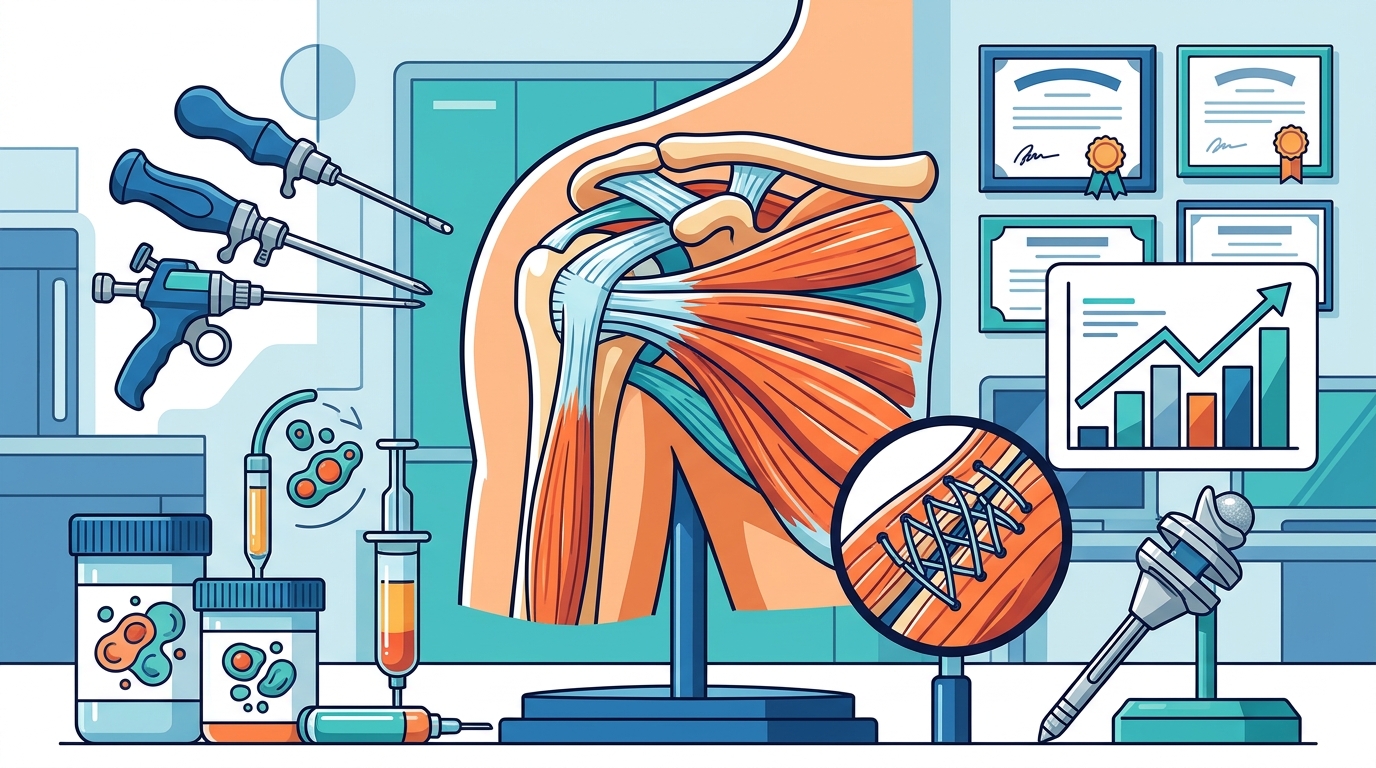
The decision to use regenerative therapies requires a careful evaluation of the patient's condition. Not all patients are candidates for these treatments, and their effectiveness can vary based on the severity of the injury. A qualified surgeon will explain the potential benefits and limitations of these options clearly. This transparent approach helps patients make informed decisions about their care. By integrating regenerative options with traditional surgical techniques, the practice provides a comprehensive treatment pathway for complex shoulder conditions.
Individualized Treatment Planning
Every patient presents with a unique combination of anatomy, injury history, and lifestyle goals. Individualized treatment planning is the process of designing a care strategy that addresses the specific needs of the patient. This involves a thorough evaluation, including physical examination, imaging, and a discussion of the patient's goals. A qualified surgeon will not apply a one-size-fits-all approach but will instead tailor the treatment to the individual.
Key Takeaways
- Shoulder surgery specialization involves focusing exclusively on the shoulder joint to develop deep anatomical and technical expertise.
- Board certification and fellowship training are key indicators of a surgeon's formal education and competence.
- High procedural volume in shoulder-specific surgeries is associated with better technical proficiency and consistent outcomes.
- Regenerative therapies, such as PRP and stem cell injections, are part of a modern, evidence-based approach to shoulder care.
- Individualized treatment planning ensures that the care strategy aligns with the patient's unique anatomy, injury, and lifestyle goals.
- Clear communication and transparency about treatment options are essential for building trust and making informed decisions.
Frequently Asked Questions
What is the difference between a general orthopedic surgeon and a shoulder specialist?
A general orthopedic surgeon treats a wide range of musculoskeletal conditions, while a shoulder specialist focuses exclusively on the shoulder joint. This focused training allows shoulder specialists to develop deeper expertise in complex shoulder pathologies and surgical techniques.
How important is procedural volume in shoulder surgery?
Procedural volume is highly important. Surgeons who perform a high number of shoulder-specific procedures tend to have greater technical proficiency and consistency. This experience can lead to better outcomes and a lower risk of complications.
What is a fellowship in orthopedic surgery?
A fellowship is a post-residency training period that allows surgeons to specialize in a specific subspecialty, such as shoulder and elbow surgery. It provides advanced training in complex procedures and patient management.
Are regenerative therapies like PRP effective for all shoulder injuries?
Regenerative therapies are not effective for all shoulder injuries. Their suitability depends on the specific condition, the severity of the injury, and the patient's overall health. A qualified surgeon will evaluate each patient individually to determine if these treatments are appropriate.
How does a surgeon determine the best treatment plan for a complex case?
A surgeon determines the best treatment plan by conducting a thorough evaluation, including physical examination, imaging, and a discussion of the patient's goals. The plan is tailored to the patient's specific anatomy, injury history, and lifestyle needs.
What should I look for when choosing a shoulder surgeon?
When choosing a shoulder surgeon, look for board certification, fellowship training, high procedural volume in shoulder surgery, and a commitment to individualized, evidence-based care. It is also important to feel comfortable with the surgeon's communication style and approach.
Conclusion
Choosing the right surgeon for a complex shoulder condition is a critical decision. Look for a provider who combines focused specialization, rigorous training, and a commitment to individualized care. At Alaska Shoulder & Orthopaedic Institute, Dr. Kevin Paisley offers expert guidance and advanced treatment options for patients in Anchorage and across Alaska. To discuss your shoulder concerns and explore your treatment options, to schedule a consultation.