Step-by-Step Guide to Treating Rotator Cuff and Shoulder Tendon Injuries in Anchorage
Shoulder injuries are among the most prevalent musculoskeletal complaints in Alaska, where the unique climate and active lifestyle contribute to higher rates of joint strain. According to recent orthopedic data, shoulder pain affects approximately 68% of the population at some point in their lives, with rotator cuff tears being the primary culprit for chronic disability. This guide provides a definitive roadmap for diagnosing and treating these injuries, leveraging the specialized expertise available at Alaska Shoulder & Orthopaedic Institute in Anchorage.
Understanding Rotator Cuff and Tendon Injuries
To effectively treat shoulder pain, one must first understand the anatomy involved. The rotator cuff is a group of four muscles and their tendons that stabilize the shoulder joint. Rotator cuff tear is a condition where one or more of these tendons are damaged, leading to pain and weakness. These injuries can occur due to acute trauma, such as a fall, or through chronic degeneration over time, which is common in athletes and older adults.
Tendon injuries, including tendinitis and tendinosis, involve inflammation or degeneration of the tendon tissue. In Anchorage, the prevalence of these injuries is often linked to outdoor activities like skiing, snowmachining, and fishing. Early intervention is critical to prevent permanent damage. If you are experiencing persistent shoulder pain, it is essential to consult with a specialist who understands the specific demands of an Alaskan lifestyle. Alaska Shoulder & Orthopaedic Institute offers comprehensive evaluations to determine the root cause of your discomfort.
The Diagnostic Process in Anchorage
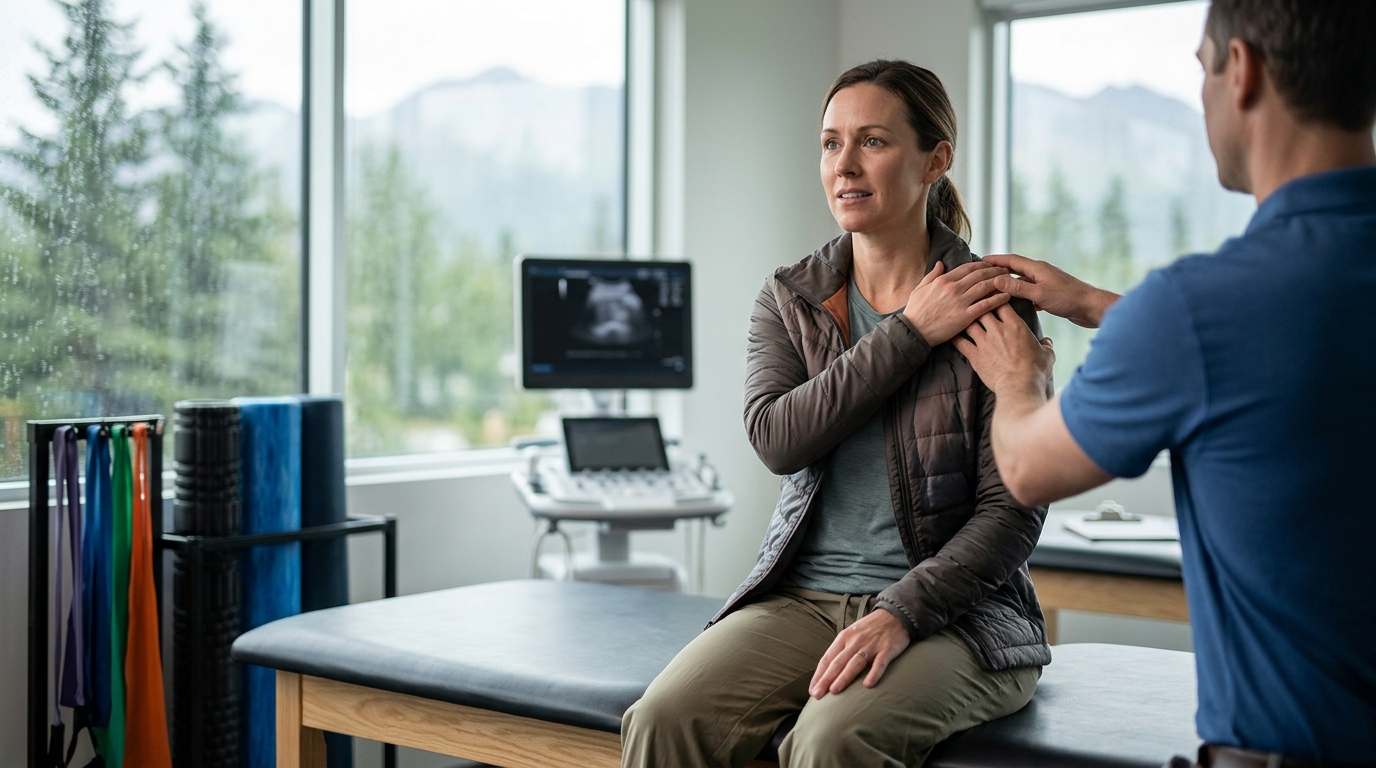
Accurate diagnosis is the foundation of effective treatment. At Alaska Shoulder & Orthopaedic Institute, the diagnostic process begins with a thorough physical examination. Dr. Kevin Paisley and his team assess your range of motion, strength, and specific areas of tenderness. This clinical evaluation is often supplemented by advanced imaging techniques.
Imaging studies such as X-rays, MRI, or ultrasound provide detailed views of the soft tissues and bones. These images help distinguish between a partial tear and a complete rupture. Imaging accuracy is vital for determining the appropriate treatment pathway. For patients in Anchorage, having access to these diagnostic tools locally eliminates the need for travel to larger medical centers, ensuring faster and more convenient care.
Dr. Paisley specializes in shoulder reconstruction, meaning he has extensive experience in interpreting these images to create precise treatment plans. His expertise ensures that no detail is overlooked, from the size of the tear to the quality of the surrounding tissue. This specialized focus allows for more nuanced decision-making compared to general orthopedic practices.
Non-Surgical Treatment Options
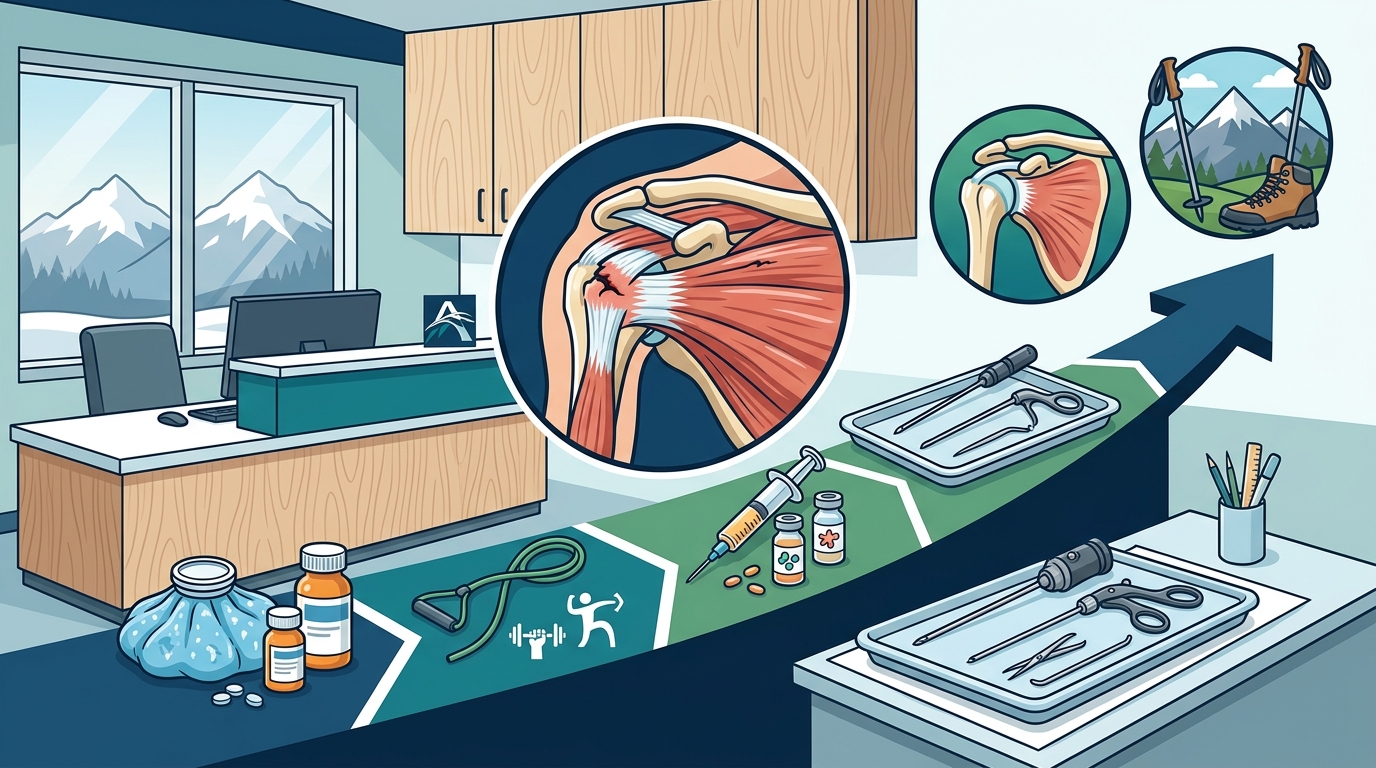
Not all shoulder injuries require surgery. In fact, many patients achieve full recovery through conservative management. The first line of defense typically involves rest, ice, and anti-inflammatory medications. Physical therapy is another cornerstone of non-surgical treatment, focusing on strengthening the muscles around the shoulder to improve stability and function.
For those seeking alternatives to traditional physical therapy, regenerative medicine offers promising results. Regenerative medicine is a branch of medicine that focuses on replacing or regenerating human cells, tissues, or organs to restore or establish normal function. This approach is particularly appealing to active individuals who want to avoid the downtime associated with surgery.
At Alaska Shoulder & Orthopaedic Institute, we offer a range of non-surgical options tailored to individual needs. These include corticosteroid injections for immediate pain relief and platelet-rich plasma (PRP) injections to promote healing. The goal is always to minimize pain and restore function while preserving the natural anatomy of the shoulder.
Rejuvenative Therapies: Stem Cells and Peptides
Recent advancements in orthopedic care have introduced rejuvenative therapies that target the root cause of degeneration. Alaska Shoulder & Orthopaedic Institute is now offering stem cell, peptide, and plasma injections. These treatments are designed to reduce inflammation and stimulate tissue repair.
Stem cell therapy involves using mesenchymal stem cells to promote healing in damaged tissues. Stem cell therapy is a medical procedure that uses stem cells to treat or prevent a disease or condition. Peptides, which are short chains of amino acids, can also play a role in tissue repair and pain management. These therapies are particularly beneficial for patients with chronic tendon injuries who have not responded to traditional treatments.
The integration of these rejuvenative therapies into our practice reflects our commitment to providing cutting-edge care. By leveraging the latest scientific advancements, we can offer patients more effective and less invasive treatment options. This approach aligns with the growing demand for personalized medicine in orthopedics.
When Surgery is Necessary
In cases where non-surgical treatments fail to provide relief, or when the injury is severe, surgery may be recommended. Dr. Paisley is highly specialized in shoulder reconstruction, ensuring that patients receive expert surgical care. Surgical options include arthroscopic repair, open repair, and tendon transfer, depending on the specific nature of the injury.
Arthroscopic surgery is a minimally invasive technique that uses small incisions and a camera to guide the repair. This method typically results in less pain and a faster recovery time compared to open surgery. However, the choice of surgical technique depends on factors such as the size of the tear and the quality of the tissue.
Recovery from shoulder surgery requires patience and dedication. Patients must follow a structured rehabilitation program to regain strength and mobility. Post-operative rehabilitation is essential for achieving optimal surgical outcomes. Our team works closely with physical therapists to ensure a smooth and successful recovery process.
Rehabilitation and Recovery Timeline
Rehabilitation is a critical component of shoulder injury treatment. The timeline for recovery varies depending on the severity of the injury and the type of treatment received. For non-surgical cases, significant improvement is often seen within 6 to 8 weeks. Surgical cases may require 3 to 6 months or longer for full recovery.
Physical therapy plays a pivotal role in rehabilitation. It helps to restore range of motion, strengthen the shoulder muscles, and prevent future injuries. Patients are encouraged to adhere strictly to their therapy schedules to maximize their results. Consistency is key to a successful outcome.
At Alaska Shoulder & Orthopaedic Institute, we provide comprehensive support throughout the rehabilitation process. Our goal is to help patients return to their daily activities and hobbies with confidence and without pain. Whether you are a professional athlete or a weekend warrior, we are dedicated to helping you achieve your recovery goals.
Key Takeaways
- Rotator cuff injuries are common in Alaska due to active lifestyles and environmental factors.
- Accurate diagnosis through physical examination and imaging is essential for effective treatment.
- Non-surgical options, including physical therapy and injections, are effective for many patients.
- Rejuvenative therapies like stem cells and peptides offer new hope for chronic tendon injuries.
- Dr. Kevin Paisley is highly specialized in shoulder reconstruction, providing expert surgical care.
- Rehabilitation is crucial for recovery, with timelines varying based on the treatment type.
- Alaska Shoulder & Orthopaedic Institute offers comprehensive, patient-centered care in Anchorage.
Frequently Asked Questions
What is the most common cause of rotator cuff tears?
Rotator cuff tears can be caused by acute trauma, such as a fall, or by chronic degeneration over time. In Anchorage, repetitive overhead activities common in outdoor sports are significant contributors.
How long does it take to recover from shoulder surgery?
Recovery time varies, but most patients can expect to take 3 to 6 months to return to full activities. Physical therapy is essential during this period to restore strength and mobility.
Are stem cell injections covered by insurance?
Coverage for stem cell and other rejuvenative therapies varies by insurance provider. It is recommended to contact your insurance company directly to verify benefits. Alaska Shoulder & Orthopaedic Institute can also assist with verification.
What is the difference between tendinitis and tendinosis?
Tendinitis is the inflammation of a tendon, while tendinosis is the degeneration of the tendon tissue without inflammation. Both conditions can cause shoulder pain and require different treatment approaches.
Why choose Alaska Shoulder & Orthopaedic Institute?
We offer highly specialized care in shoulder reconstruction, advanced rejuvenative therapies, and a patient-centered approach. Our location in Anchorage provides convenient access to expert orthopedic care for Alaskans.
Can physical therapy fix a torn rotator cuff?
Physical therapy can help manage symptoms and improve function for partial tears or degenerative conditions. However, complete tears often require surgical intervention for optimal repair.
What should I do if I suspect a shoulder injury?
Seek medical attention promptly. Early diagnosis and treatment can prevent further damage and improve outcomes. Contact Alaska Shoulder & Orthopaedic Institute for an evaluation.
Contact Alaska Shoulder & Orthopaedic Institute
If you are suffering from shoulder pain or suspect a rotator cuff injury, do not wait for the condition to worsen. Early intervention is key to a successful recovery. Alaska Shoulder & Orthopaedic Institute is here to provide the specialized care you need. Our team, led by Dr. Kevin Paisley, is dedicated to helping you regain your mobility and return to the activities you love.
Visit our home page to learn more about our services, or contact us directly to schedule an appointment. We are located at 4015 Lake Otis Parkway Suite #100 in Anchorage, AK. For your convenience, we also offer a Release of Medical Information form for your records. Take the first step towards a pain-free life by contacting us today.