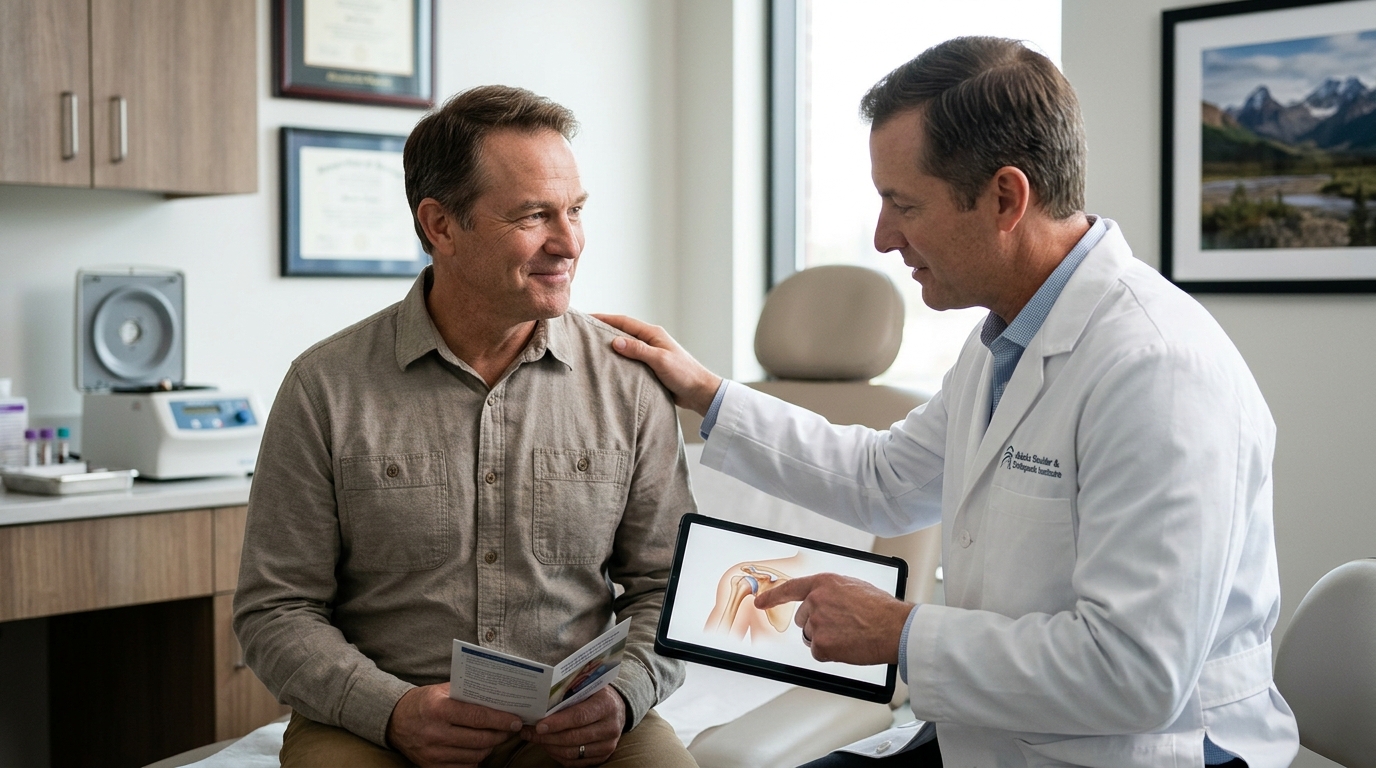
Platelet-rich plasma (PRP) therapy is a regenerative treatment that uses a patient's own blood to promote healing in damaged shoulder tissues. At Alaska Shoulder & Orthopaedic Institute, Dr. Kevin Paisley evaluates whether this biologic approach fits a patient's specific injury profile and recovery goals. This listicle outlines the primary advantages of PRP for common shoulder conditions.
1. Reduced Inflammation
PRP helps modulate the inflammatory response in the shoulder joint. When injected into an injured area, the concentrated platelets release growth factors that can help regulate inflammation. This biological modulation may create a more favorable environment for healing tissues to recover. For additional details, review the wp.
2. Accelerated Tissue Repair
3. Pain Management
Many patients seek PRP as a non-surgical option for shoulder pain. The treatment focuses on addressing the underlying tissue damage rather than just masking symptoms. While individual responses vary, the goal is to reduce discomfort associated with chronic shoulder conditions. For additional details, review the .
4. Minimally Invasive Approach
PRP injections are a less invasive alternative to surgical reconstruction. The procedure is typically performed in an outpatient setting and does not require general anesthesia. This approach allows patients to avoid the significant downtime associated with major orthopedic surgeries. For additional details, review the Customer Experience.
5. Autologous Safety Profile
Using the patient's own blood eliminates the risk of allergic reactions to foreign substances. Because the material is autologous, it is generally well-tolerated by the body. This safety characteristic makes PRP an attractive option for patients who wish to avoid synthetic implants or foreign body reactions. For additional details, review the Frequently Asked Questions.
6. Preservation of Joint Structure
PRP therapy aims to preserve the natural anatomy of the shoulder. By promoting repair of native tissues, the treatment helps maintain the joint's structural function. This is particularly relevant for patients with early-stage degenerative changes or partial tendon tears.
7. Complementary Care Option
PRP can be integrated into a broader conservative treatment plan. At Alaska Shoulder & Orthopaedic Institute, this therapy is often considered alongside physical therapy and activity modification. It serves as one tool in a personalized strategy to restore shoulder function.
Choosing the Right Treatment
Selecting PRP therapy depends on the specific nature of the shoulder injury and the patient's overall health. A thorough evaluation is necessary to determine if the biological profile of the injury is suitable for regenerative treatment. Patients should discuss their goals and medical history with a specialist to decide if this approach aligns with their needs.
Frequently Asked Questions
Is PRP therapy FDA-approved for shoulder injuries?
PRP is generally used as an off-label treatment for many orthopedic conditions. While the technology is approved for certain uses, its application for specific shoulder injuries is often considered investigational or off-label.
How long does a PRP injection procedure take?
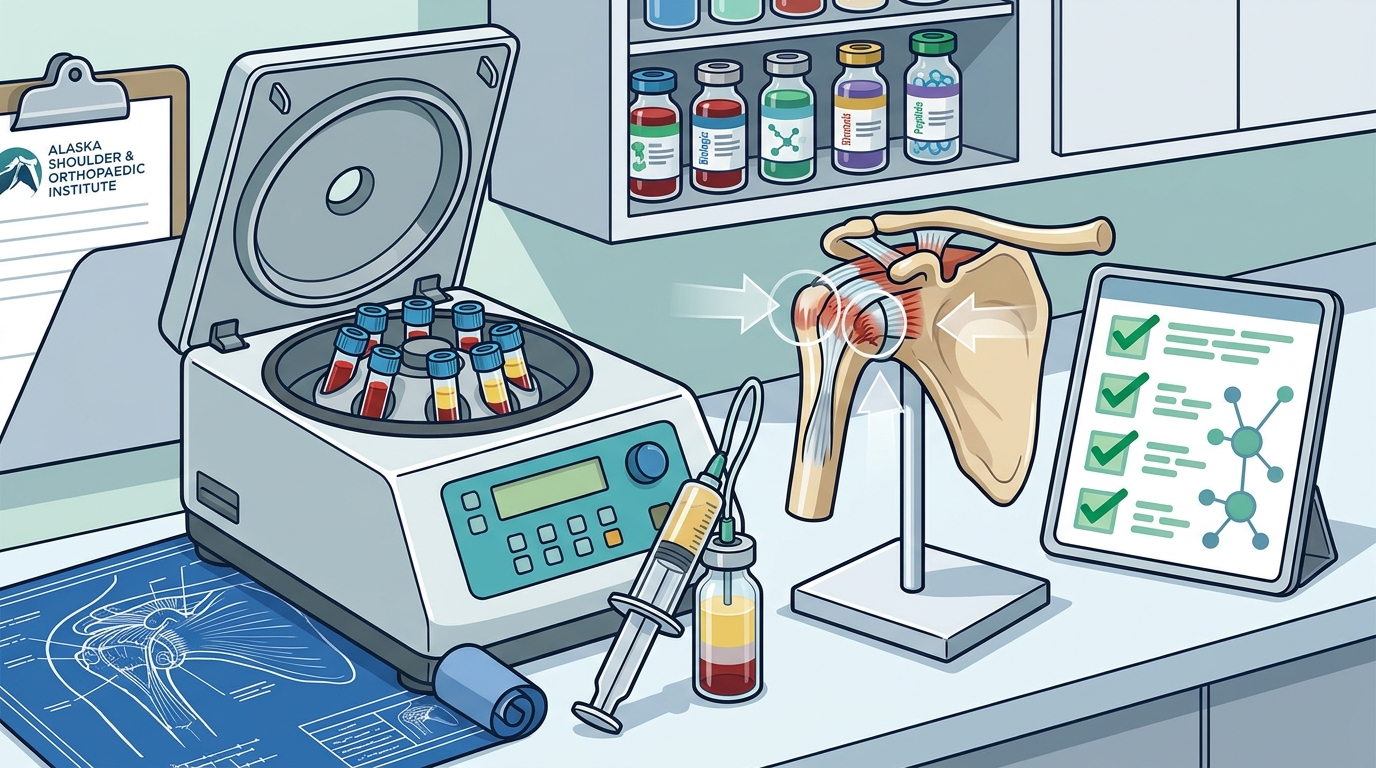
The procedure is relatively quick, typically taking less than an hour. The process involves drawing blood, processing it to concentrate the platelets, and then injecting the plasma into the target area.
Does PRP therapy hurt?
Most patients experience minimal discomfort during the injection, similar to a standard medical shot. Some soreness may occur at the injection site for a few days following the procedure.
Who is a good candidate for PRP in Anchorage?
Candidates are typically patients with chronic shoulder pain or specific soft tissue injuries who have not responded to basic conservative care. Dr. Kevin Paisley evaluates each patient to determine if their condition is appropriate for this therapy.
How many PRP injections are needed?
Many protocols involve a single injection, though some patients may require a series of treatments. The number of sessions depends on the severity of the injury and the patient's response to the initial treatment.