Choosing the right orthopedic surgeon in Anchorage requires evaluating specific shoulder expertise, surgical volume, and communication style. Alaska Shoulder & Orthopaedic Institute, led by Dr. Kevin Paisley, focuses heavily on shoulder reconstruction and complex joint issues. This guide helps you identify the key factors that distinguish a general orthopedist from a dedicated shoulder specialist in the local market. For additional details, review the wp.
Understanding Shoulder Specialization
Shoulder surgery is a distinct subspecialty within orthopedics. A shoulder specialist is a surgeon who has completed additional fellowship training focused specifically on the shoulder and elbow joints. This advanced training allows for a deeper understanding of the complex anatomy of the rotator cuff, labrum, and glenohumeral joint. General orthopedists treat all joints, but a specialist dedicates their practice to a specific region of the body. For additional details, review the .
Why Subspecialization Matters
The shoulder is the most mobile joint in the human body, making it prone to instability and complex tears. Specialized training ensures the surgeon has seen a high volume of these specific pathologies. This experience often translates to more precise surgical techniques and a better understanding of post-operative rehabilitation protocols. When searching for a provider, look for board certification in orthopedic surgery and specific fellowship training in shoulder and elbow surgery. For additional details, review the Customer Experience.
The Evaluation Process
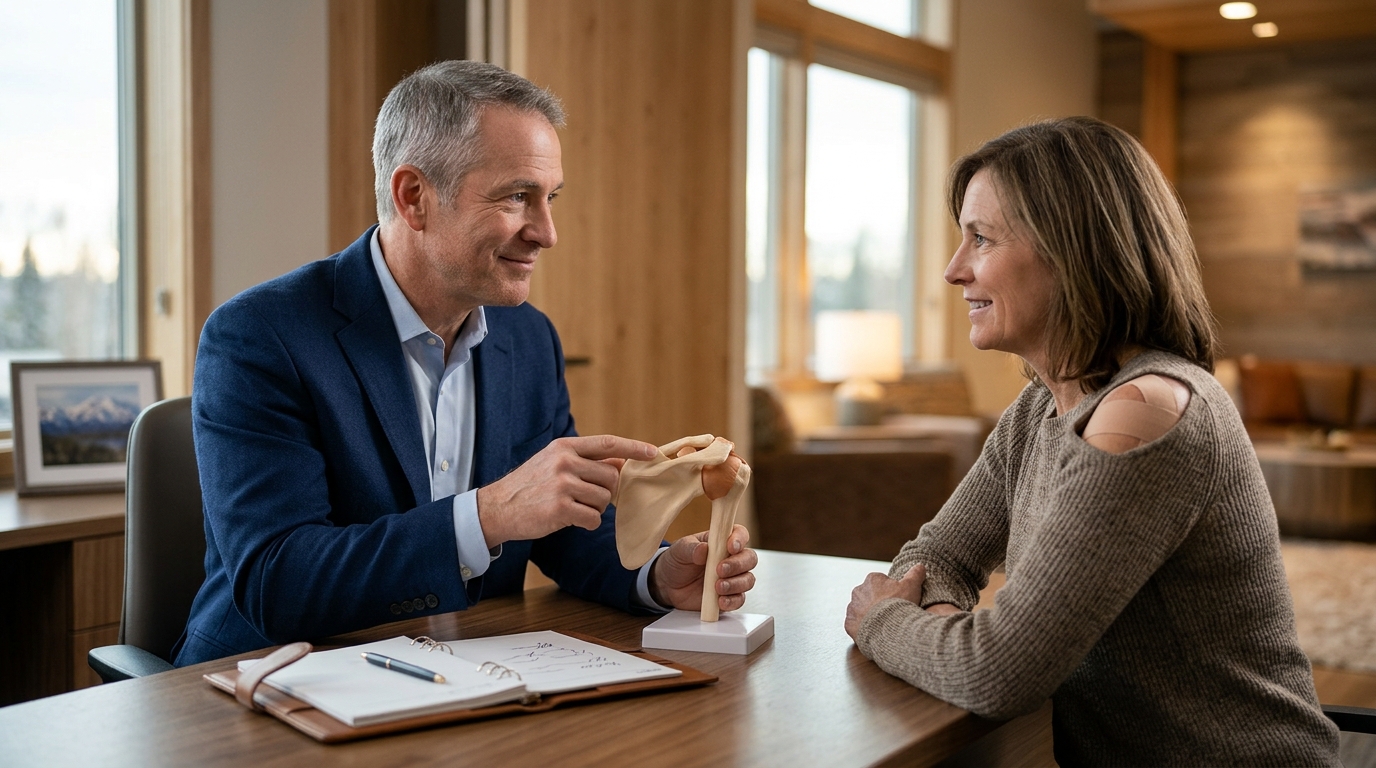
The initial consultation is the most critical step in your care journey. During this visit, the surgeon will perform a physical examination and review imaging studies such as X-rays or MRIs. The goal is to identify the exact source of your pain and functional limitation. A thorough evaluation ensures that the treatment plan addresses the root cause rather than just the symptoms. For additional details, review the Frequently Asked Questions.
Imaging and Diagnostic Tools
Accurate diagnosis often requires advanced imaging. While X-rays show bone structure, MRIs are essential for visualizing soft tissue like tendons and ligaments. Some practices may also use ultrasound for dynamic assessment of the rotator cuff. Understanding which diagnostic tools are available at a clinic can help you prepare for your appointment. You should bring all previous imaging records to avoid redundant testing and ensure a comprehensive view of your condition.
Treatment Options and Philosophy
Regenerative and Biologic Therapies
Regenerative medicine is an evolving field in orthopedics. These therapies aim to promote healing in damaged tissues. While not a cure-all, they can be a valuable tool in the treatment arsenal for certain tendon injuries. It is important to discuss the evidence and potential benefits of these treatments with your surgeon. Dr. Kevin Paisley at Alaska Shoulder & Orthopaedic Institute offers these rejuvenative therapies as part of a personalized treatment plan.
Surgical Expertise and Techniques
Reconstruction and Arthroplasty
Local Considerations in Anchorage
Rehabilitation Support
Recovery from shoulder surgery depends heavily on physical therapy. A surgeon who works closely with local physical therapists can ensure a coordinated rehabilitation plan. This collaboration helps optimize your range of motion and strength. When selecting a surgeon, ask about their preferred physical therapy partners and how they communicate with your rehab team. This continuity of care is essential for a successful recovery.
Key Takeaways
- Look for a surgeon with specific fellowship training in shoulder and elbow surgery.
- Verify board certification in orthopedic surgery through the American Board of Orthopaedic Surgery.
- Ask about the surgeon's volume of specific procedures relevant to your condition.
- Consider the availability of conservative and regenerative treatment options.
- Ensure the clinic has a strong relationship with local physical therapy providers.
- Evaluate the surgeon's communication style and willingness to explain all options.
- Check for local awards or recognitions, such as the Anchorage Press Best Orthopedic Surgeon award.
Frequently Asked Questions
What is the difference between an orthopedic surgeon and a shoulder specialist?
An orthopedic surgeon is trained to treat all bones, joints, and muscles. A shoulder specialist has completed additional fellowship training focused specifically on the shoulder and elbow, allowing for deeper expertise in these complex joints.
How do I know if I need a shoulder specialist?
If you have a complex shoulder injury, such as a large rotator cuff tear or chronic instability, a specialist may be beneficial. If your condition is simple, a general orthopedist may be sufficient. A referral from your primary care physician can help guide you.
Does Dr. Kevin Paisley perform shoulder surgery?
Yes, Dr. Kevin Paisley is highly specialized in shoulder reconstruction and performs a wide range of shoulder procedures, including arthroscopic and open surgeries.
What is platelet-rich plasma (PRP) therapy?
How long does shoulder surgery recovery take?
Recovery time varies by procedure and individual. Arthroscopic procedures may allow a return to light activities in a few weeks, while more complex surgeries may require several months of rehabilitation.
Where is Alaska Shoulder & Orthopaedic Institute located?
The practice is located at 4015 Lake Otis Parkway Suite #100 in Anchorage, Alaska.
Next Steps for Your Care
Selecting the right shoulder surgeon is a significant decision that impacts your long-term health and mobility. By focusing on specific expertise, surgical volume, and communication, you can find a provider who aligns with your needs. Alaska Shoulder & Orthopaedic Institute offers personalized care and advanced treatment options for patients in Anchorage and across Alaska. To begin your evaluation, to schedule a consultation with Dr. Kevin Paisley.