7 Key Recovery Milestones and Long-Term Results After Shoulder Arthroscopy
Shoulder arthroscopy is a minimally invasive surgical procedure used to diagnose and treat various shoulder conditions, such as rotator cuff tears and instability. Understanding the typical recovery timeline helps patients set realistic expectations for their return to daily activities and work. At Alaska Shoulder & Orthopaedic Institute, Dr. Kevin Paisley guides patients through individualized recovery plans that prioritize safe, progressive healing. For additional details, review the wp.
1. Immediate Post-Operative Phase (Days 1-3)
Focus on pain management and initial immobilization. In the first few days after surgery, the primary goal is to manage pain and swelling while keeping the shoulder protected in a sling. Patients typically experience significant discomfort, which is expected and manageable with prescribed medications. The surgical sites are small, but the internal healing process begins immediately.
2. Early Rehabilitation (Weeks 1-4)
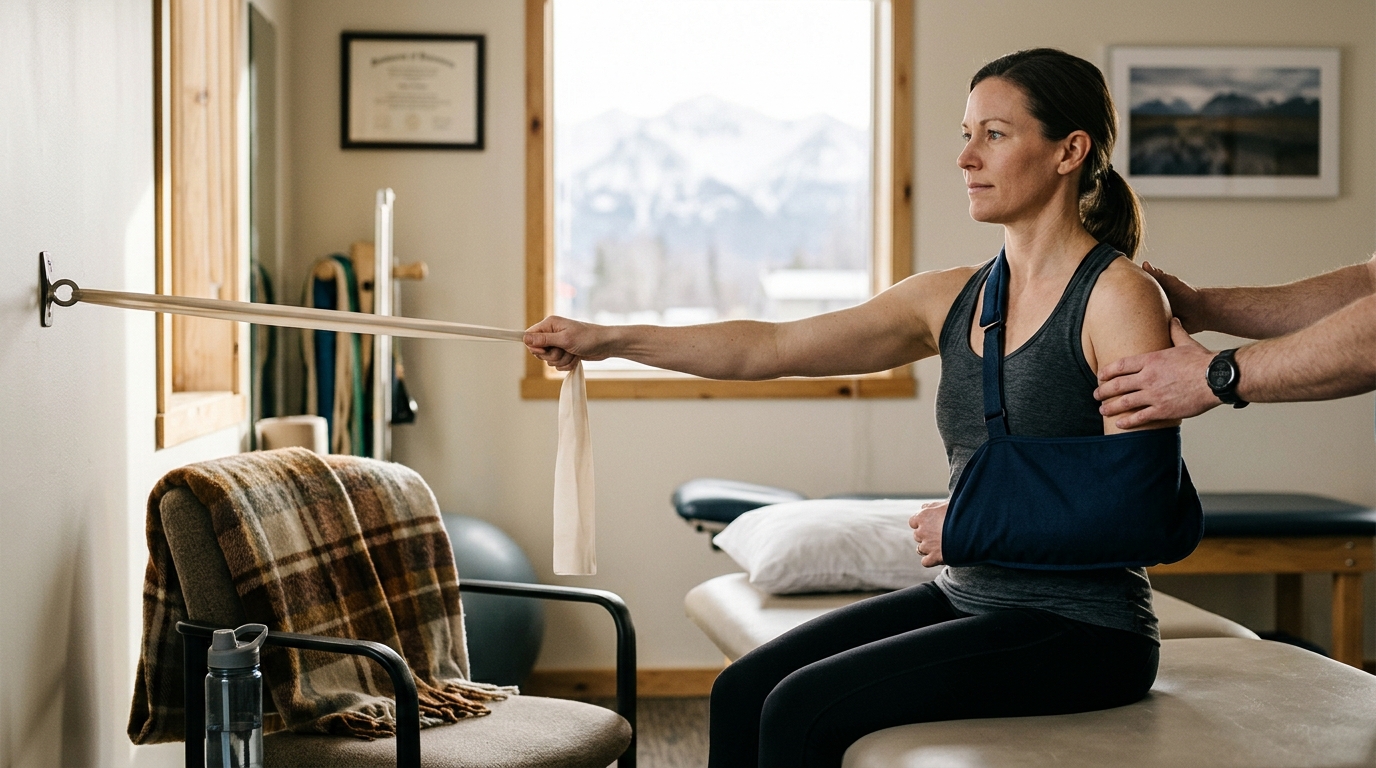
Initiate passive range-of-motion exercises to prevent stiffness. Physical therapy usually begins within the first week, focusing on passive movements where the therapist or a pulley system moves the arm. This phase is critical for preventing adhesive capsulitis, commonly known as frozen shoulder. Patients should not attempt to lift or push with the operative arm during this period.
3. Active Range of Motion (Weeks 4-8)
Transition to active movement and begin light strengthening. As the surgical repairs heal, patients start moving the shoulder on their own. This milestone marks the shift from passive to active control. Therapists introduce gentle isometric exercises to wake up the muscles without stressing the repair. Most patients can resume light desk work during this phase.
4. Progressive Strengthening (Months 2-4)
Build muscle strength and endurance through resistance training. This phase involves using light weights, bands, and machines to strengthen the rotator cuff and scapular stabilizers. The focus is on controlled, low-load repetitions to build a foundation for heavier activities. Patients often notice a significant improvement in shoulder stability and reduced pain during daily tasks.
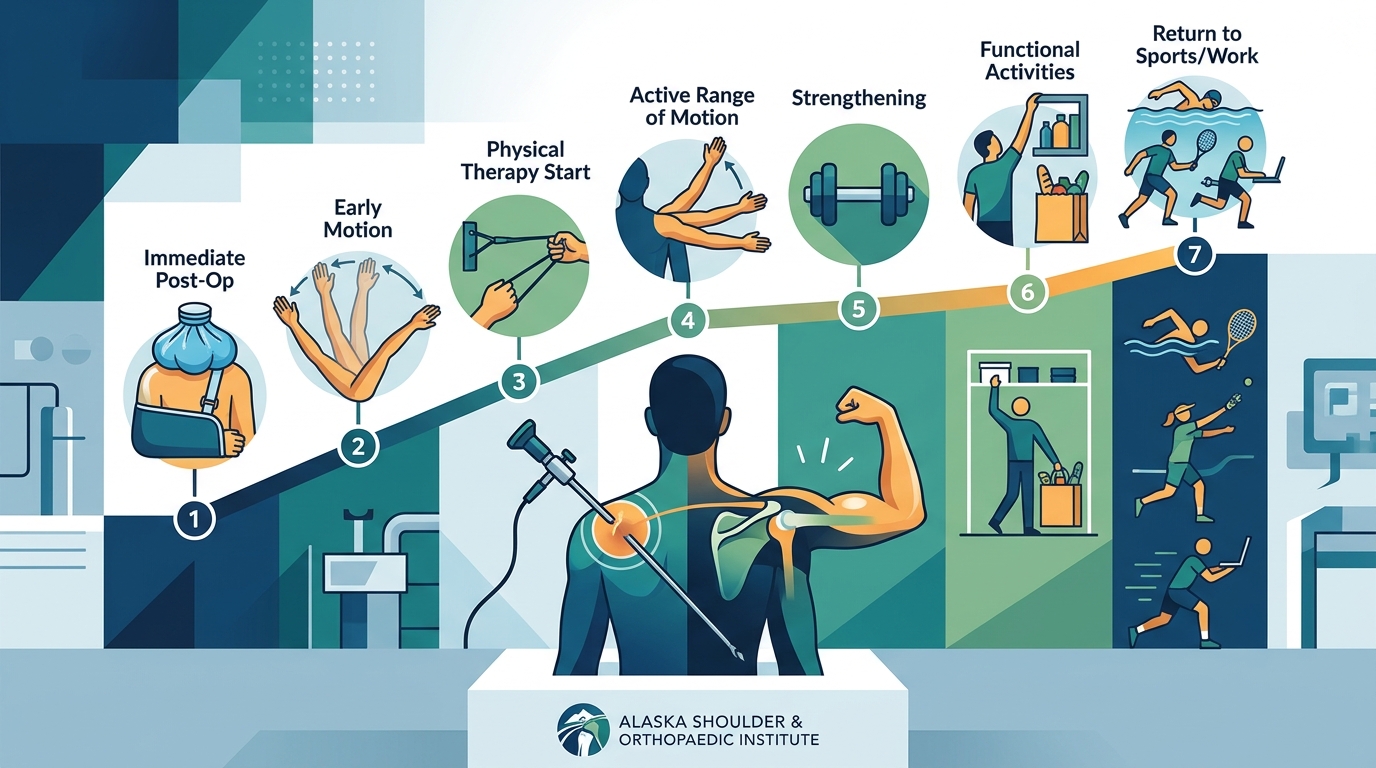
5. Advanced Functional Training (Months 4-6)
Introduce sport-specific or work-specific functional movements. By this stage, the shoulder has sufficient strength to handle more dynamic activities. Therapy progresses to throwing, lifting, and overhead motions tailored to the patient's specific goals. This is a critical period for ensuring the shoulder can handle the demands of the patient's profession or recreational hobbies.
6. Return to Full Activity (Months 6-9)
Resume full participation in sports and heavy labor. Most patients achieve full range of motion and near-normal strength by six months. Clearance for full activity depends on the specific procedure performed and the individual's healing response. Dr. Paisley evaluates strength and function to ensure the shoulder is ready for high-impact activities without risk of re-injury.
7. Long-Term Outcomes and Maintenance (12+ Months)
Maintain shoulder health through lifelong conditioning and monitoring. Long-term success relies on maintaining the strength and flexibility gained during rehabilitation. Regular check-ups can help monitor for any late-onset issues or arthritis. Patients who adhere to their maintenance routines often enjoy durable pain relief and sustained functional improvement for years.
Choosing the Right Recovery Path
Selecting the appropriate recovery intensity depends on the specific diagnosis and the patient's lifestyle goals. A conservative approach may be suitable for those with mild instability, while a more aggressive timeline might be necessary for athletes. Consulting with a specialist ensures the recovery plan aligns with the unique biological healing process of each individual.
Frequently Asked Questions
How long does it take to recover from shoulder arthroscopy?
Recovery typically takes six to nine months for full return to activity, though initial pain relief is often felt within weeks. The timeline varies based on the specific procedure and individual healing rates.
Will I need physical therapy after shoulder surgery?
Yes, physical therapy is a standard and essential component of recovery. It helps restore range of motion and strength, ensuring the shoulder functions correctly after the surgical repair.
Can I return to work immediately after shoulder arthroscopy?
Desk-based jobs may be resumed within a few weeks, but physical labor requires a longer recovery period. Your surgeon will provide specific clearance based on the demands of your job.
What are the long-term results of shoulder arthroscopy?
How can I speed up my shoulder recovery?
Adhering strictly to your physical therapy protocol and managing swelling are the most effective ways to optimize recovery. Avoiding premature heavy lifting also prevents setbacks.
Conclusion
Understanding these milestones helps patients navigate their recovery with confidence. Alaska Shoulder & Orthopaedic Institute provides the expertise and personalized care needed to achieve the best possible long-term outcomes. To discuss your specific condition and recovery goals, to schedule a consultation with Dr. Kevin Paisley.