
7 Key Milestones and Long-Term Success Rates After Reverse Shoulder Replacement
Reverse shoulder replacement is a specialized surgical procedure designed to restore function in patients with complex shoulder conditions, such as severe rotator cuff tears or arthritis. Understanding the recovery timeline and long-term outcomes is essential for setting realistic expectations and adhering to rehabilitation protocols. This guide outlines the critical phases of recovery and the statistical success rates associated with this advanced orthopedic intervention. For additional details, review the wp.
1. Immediate Post-Operative Stabilization (Days 1-3)
Primary focus is pain management and protecting the surgical site.
During the first few days, the primary goal is to manage pain and swelling while ensuring the new implant remains stable. Patients typically wear a sling to immobilize the shoulder and prevent accidental movements that could disrupt the healing process. Medical teams monitor for signs of infection or blood clots during this initial hospital stay or immediate post-discharge period.
2. Early Passive Range of Motion (Weeks 1-6)
Physical therapy begins with gentle, therapist-assisted movements.
Once the initial healing phase is complete, patients start passive range of motion exercises. These movements are performed by a physical therapist or with the help of the non-operative arm, as the patient does not actively lift the shoulder. This phase is crucial for preventing stiffness and maintaining joint mobility without placing stress on the healing tissues.
3. Transition to Active Motion (Weeks 6-12)
Patients begin to actively control shoulder movement.
As the deltoid muscle heals and gains strength, the focus shifts to active range of motion exercises. Patients start to lift the arm using their own muscle power, gradually increasing the range of motion. This milestone marks a significant improvement in daily function, allowing for tasks like reaching for objects or grooming.
4. Strengthening and Conditioning (Months 3-6)
Progressive resistance training builds functional strength.
During this phase, physical therapy incorporates light resistance exercises to strengthen the shoulder and surrounding muscles. The goal is to restore the strength necessary for lifting and carrying items. Patients typically see a substantial reduction in pain and a marked improvement in their ability to perform daily activities independently.
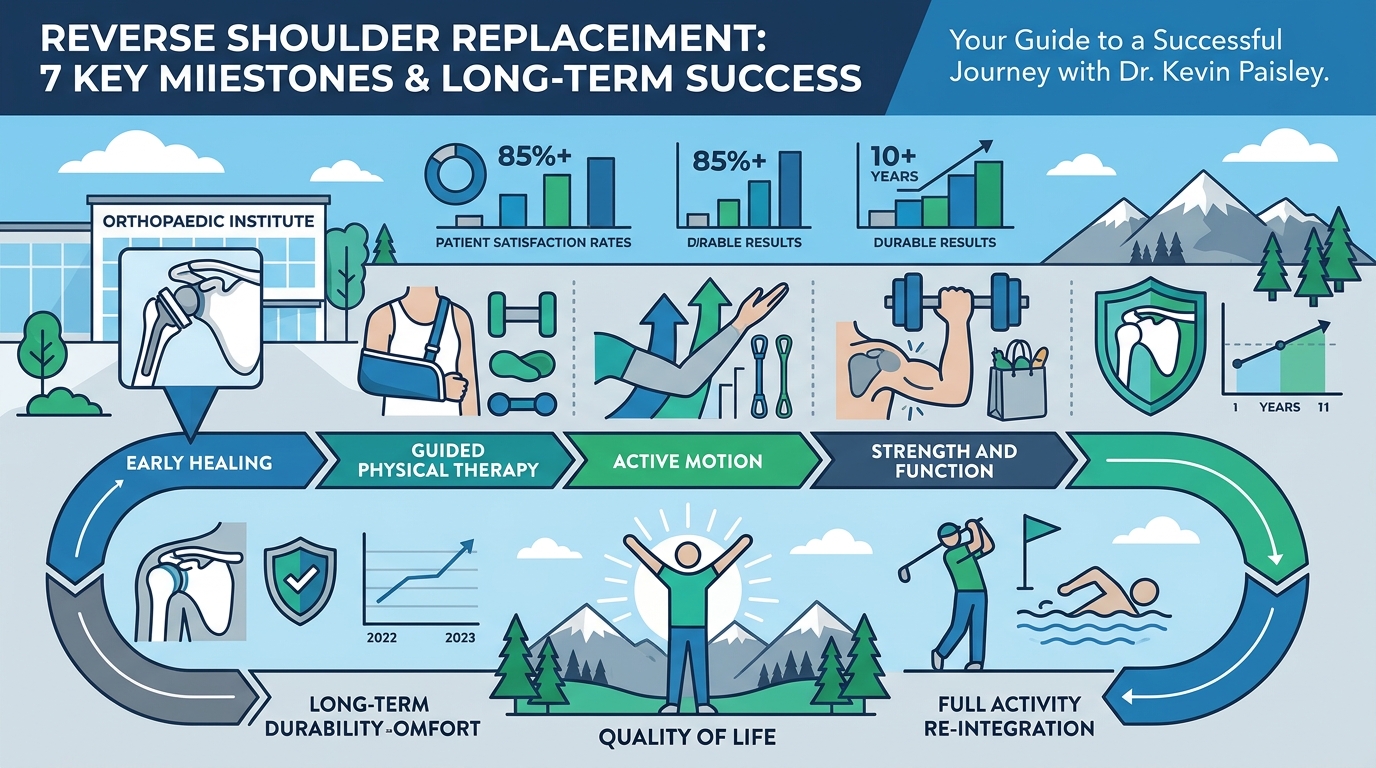
5. Return to Daily Activities (Months 6-12)
6. Long-Term Implant Durability (Years 5-10)
Modern implants demonstrate high survival rates over a decade.
Long-term studies indicate that reverse shoulder replacements have high survival rates, with many implants functioning well for 10 to 15 years or more. The success of the implant depends on factors such as patient age, activity level, and adherence to post-operative restrictions. Regular follow-up appointments are essential to monitor the implant's integrity and the health of the surrounding bone.
7. Statistical Success Rates and Patient Satisfaction
High satisfaction rates correlate with significant pain relief.
Clinical data consistently shows that a high percentage of patients report significant pain relief and improved function after reverse shoulder replacement. Success is often measured by the improvement in shoulder scores, such as the Constant-Murley score, and patient satisfaction surveys. While individual results vary, the majority of patients achieve a functional shoulder that allows them to return to a quality of life comparable to their pre-injury state.
Choosing the Right Path for Your Recovery
Selecting the appropriate treatment and adhering to the recovery milestones is critical for long-term success. Patients should work closely with their orthopedic surgeon to tailor the rehabilitation plan to their specific condition and goals. Consistency in physical therapy and patience during the healing process are the most significant factors in achieving a positive outcome.
Frequently Asked Questions
How long does it take to fully recover from reverse shoulder replacement?
Full recovery typically takes 6 to 12 months, with significant improvements seen in the first 3 to 6 months. Patients continue to gain strength and range of motion throughout the first year.
What is the average lifespan of a reverse shoulder implant?
Can I return to sports after reverse shoulder replacement?
Most patients can return to low-impact recreational activities, but high-impact sports or heavy lifting are generally discouraged to protect the implant. The surgeon will provide specific guidelines based on the individual's recovery.
Is reverse shoulder replacement a permanent solution?
While the implant is designed to last for many years, it is not necessarily permanent for a lifetime. Revision surgery may be required in some cases if the implant loosens or wears out over time.
What are the main risks associated with this surgery?
Next Steps for Your Shoulder Health
If you are experiencing persistent shoulder pain or have been diagnosed with a condition that may require surgical intervention, a consultation with a specialist is the best next step. At Alaska Shoulder & Orthopaedic Institute, Dr. Kevin Paisley provides individualized treatment plans that consider both nonsurgical and surgical options. To schedule an evaluation, in Anchorage.