
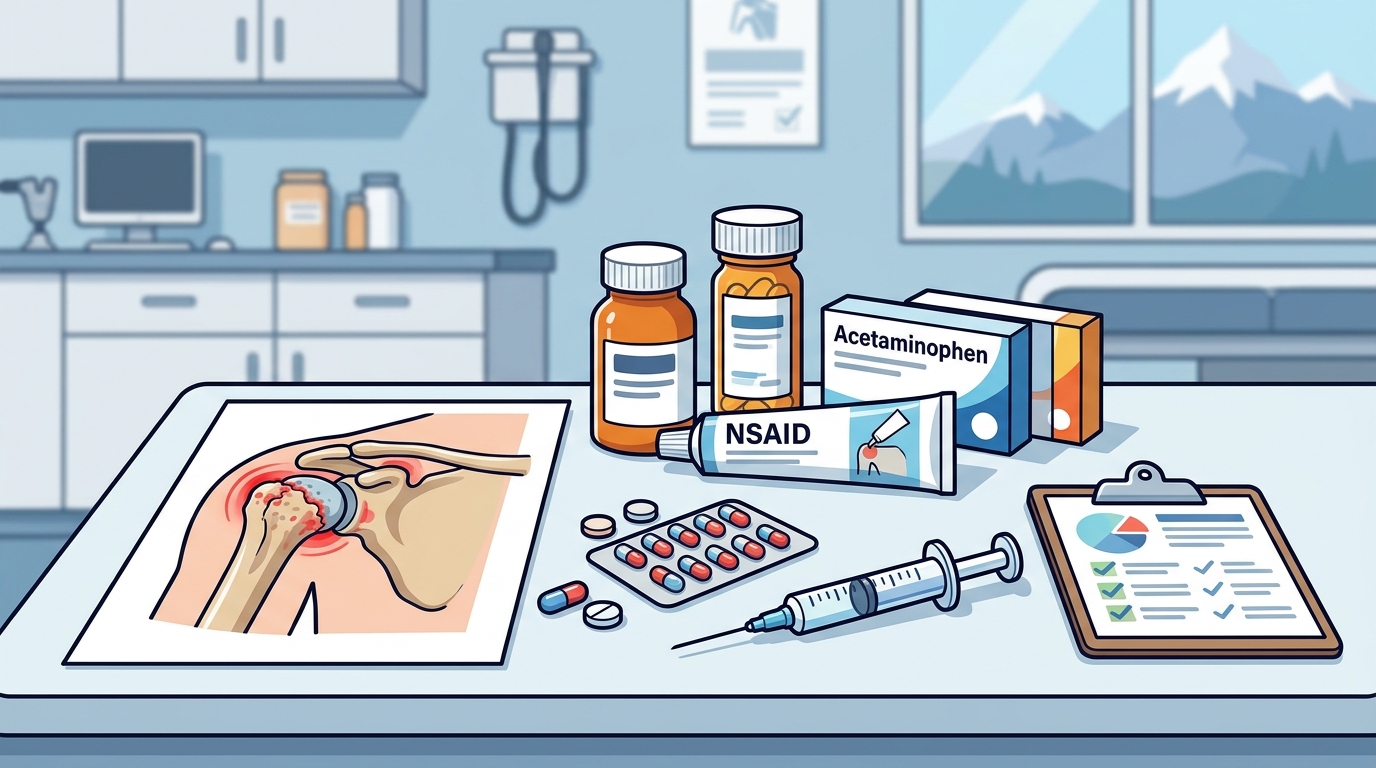
Non-steroidal anti-inflammatory drugs (NSAIDs) and acetaminophen are the primary oral medications used to manage shoulder arthritis pain. Topical NSAIDs and corticosteroid injections serve as targeted alternatives for localized relief. At Alaska Shoulder & Orthopaedic Institute, Dr. Kevin Paisley evaluates each patient to determine which pharmacological approach best fits their specific condition, medical history, and functional goals. For additional details, review the wp.
Oral NSAIDs: The First-Line Defense
Dr. Kevin Paisley often prescribes these medications for short-term flare-ups or as a baseline for chronic management. The goal is to reduce the inflammatory response in the joint capsule and surrounding tissues. Patients must monitor for side effects such as heartburn or changes in blood pressure. If oral NSAIDs are not tolerated, a physician may switch to a different formulation or dosage. For additional details, review the Frequently Asked Questions.
Acetaminophen: A Safer Alternative for Some
Acetaminophen is an analgesic that works by altering the way the brain and spinal cord respond to pain signals. Unlike NSAIDs, it does not significantly reduce inflammation, making it less effective for highly inflammatory conditions. However, it is often safer for patients with a history of stomach ulcers, kidney disease, or those taking blood thinners. It is frequently used as a first-line agent for mild to moderate pain.
For patients in Anchorage with shoulder arthritis, acetaminophen can provide a baseline level of comfort without the gastrointestinal risks associated with NSAIDs. It is important to adhere to the maximum daily dose to prevent liver damage. Many patients find that combining acetaminophen with a topical agent provides better relief than either alone.
Topical Agents: Targeted Relief
Studies suggest that topical diclofenac can be as effective as oral NSAIDs for knee and hand arthritis, and it is increasingly used for shoulder pain. The key is consistent application to the affected area. At Alaska Shoulder & Orthopaedic Institute, we often recommend topical agents as a complementary therapy to oral medications to enhance overall pain control.
Corticosteroid Injections: Short-Term Relief
Corticosteroid injections are powerful anti-inflammatory medications delivered directly into the joint space or bursa. They provide rapid and significant pain relief, often lasting several weeks to months. This temporary window of relief is crucial because it allows patients to participate in physical therapy and strengthen the muscles supporting the shoulder. The goal is not a permanent cure, but a functional bridge to long-term stability.
Biologic and Regenerative Therapies
Biologic therapies are treatments that use the body's own cells or proteins to promote healing and reduce inflammation. Platelet-rich plasma (PRP) is a common example, where a patient's blood is processed to concentrate growth factors and injected into the joint. These therapies are considered regenerative and are often used when traditional medications and injections have provided insufficient relief. They are not FDA-approved for all orthopedic indications and may be used off-label.
Key Takeaways
- NSAIDs are the most common first-line treatment for shoulder arthritis pain and inflammation.
- Acetaminophen is a safer alternative for patients with gastrointestinal or kidney concerns.
- Corticosteroid injections provide short-term relief to facilitate physical therapy.
- Biologic therapies like PRP are advanced options for patients who do not respond to standard care.
- Individualized evaluation by a specialist is critical to selecting the right medication.
Frequently Asked Questions
Are NSAIDs safe for long-term use?
Long-term use of NSAIDs requires careful monitoring due to risks of gastrointestinal, cardiovascular, and renal side effects. A physician should regularly review your need for these medications and adjust the dose or switch to alternatives if necessary.
Can I take acetaminophen and NSAIDs together?
Yes, acetaminophen and NSAIDs can often be taken together because they work through different mechanisms. However, you should consult your doctor before combining them to ensure it is safe for your specific health profile.
How long does a corticosteroid injection last?
The duration of relief from a corticosteroid injection varies, but it typically lasts from a few weeks to several months. The goal is to use this window of relief to engage in physical therapy and strengthen the shoulder.
Are biologic therapies covered by insurance?
Coverage for biologic therapies like PRP varies by insurance plan. Many plans do not cover these treatments, so patients should check with their provider and the clinic to understand the financial implications before proceeding.
When should I see a specialist for shoulder arthritis?
You should see a specialist if over-the-counter medications are no longer providing adequate relief, if pain is interfering with sleep or daily activities, or if you experience significant weakness or instability in the shoulder.
Next Steps for Shoulder Arthritis Management
Managing shoulder arthritis requires a personalized approach that balances pain relief with functional improvement. While medications are a critical component of treatment, they work best when combined with physical therapy and activity modification. At Alaska Shoulder & Orthopaedic Institute, we focus on identifying the root cause of your pain and creating a comprehensive plan that addresses your unique needs. To discuss your options and determine the best course of action, for a consultation.