Shoulder arthroscopy recovery is a structured process that typically spans three to six months, depending on the specific procedure performed. Patients generally progress from protected immobilization to active range-of-motion exercises, followed by strengthening and functional training. At Alaska Shoulder & Orthopaedic Institute, Dr. Kevin Paisley emphasizes that individualized rehabilitation plans are critical for restoring function safely. Understanding the distinct phases of healing helps patients set realistic expectations and avoid setbacks during the healing process.
Phase One: Immediate Post-Operative Care
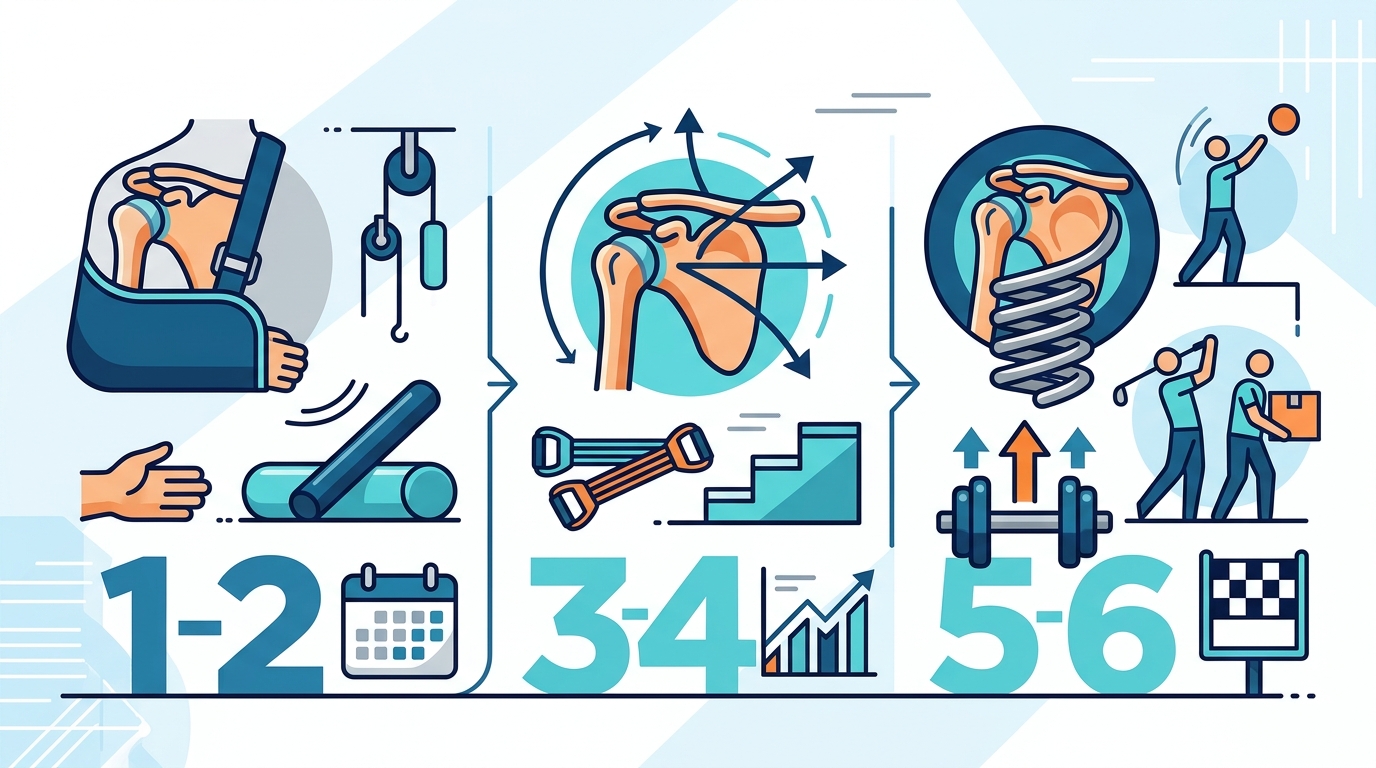
The first two weeks after surgery focus on managing pain, swelling, and protecting the surgical site. Post-operative immobilization is a critical component of early recovery, as it allows the repaired tissues to begin healing without stress. Patients are typically required to wear a sling for a specified duration, which varies based on whether the procedure involved a rotator cuff repair, labral repair, or instability correction.
During this phase, the primary goal is to minimize inflammation. Ice therapy and prescribed medications are standard tools for managing discomfort. It is important to note that some degree of stiffness is normal during this period. The shoulder joint is designed to move, but forcing motion too early can compromise the integrity of the surgical repair. Patients should expect limited independence in daily activities, such as dressing or grooming, during these initial weeks.
Phase Two: Passive Range of Motion
Once the initial healing phase is complete, usually around two to four weeks post-surgery, patients transition to passive range-of-motion exercises. Passive range of motion is a rehabilitation technique where the therapist or a pulley system moves the arm, rather than the patient using their own muscle strength. This phase is crucial for preventing adhesive capsulitis, commonly known as frozen shoulder, which can develop if the joint remains immobile for too long.
Phase Three: Active Motion and Strengthening
As the shoulder heals further, typically between six and twelve weeks, the focus shifts to active motion and early strengthening. Active range of motion is the process of moving the shoulder using the patient's own muscle power without external assistance. This marks a significant milestone in rehabilitation, as it indicates that the repaired tissues are strong enough to handle the load of muscle contraction.
Strengthening exercises begin with light resistance, such as bodyweight movements or very light dumbbells. The goal is to rebuild the rotator cuff and scapular stabilizer muscles, which are essential for shoulder stability. Dr. Paisley notes that the progression of resistance must be gradual. Jumping into heavy lifting too quickly is a common cause of re-tears or chronic pain. Patients should expect to work with a physical therapist to ensure that movement patterns are correct and that strength is developing symmetrically.
Phase Four: Functional Return to Activity
The final phase of recovery involves functional training and a gradual return to work, sports, and daily activities. This phase typically begins around three to four months post-surgery and may continue for up to six months or longer for high-demand athletes. The focus shifts from isolated muscle strengthening to complex, multi-joint movements that mimic real-world tasks.
For patients returning to manual labor or overhead sports, this phase requires careful monitoring. The shoulder must demonstrate full strength, endurance, and stability before resuming high-impact activities. At Alaska Shoulder & Orthopaedic Institute, the team works closely with patients to create a return-to-activity plan that aligns with their specific goals. Whether the goal is to return to a desk job, hike in the Chugach Mountains, or play recreational tennis, the rehabilitation plan is tailored to ensure long-term joint health.
Key Takeaways
- Recovery is a phased process that typically lasts three to six months, with distinct stages of immobilization, passive motion, active motion, and strengthening.
- Compliance with sling wear and activity restrictions in the first two weeks is vital for protecting the surgical repair.
- Passive range-of-motion exercises are essential for preventing stiffness and frozen shoulder during the early healing phase.
- Active strengthening should only begin after the surgeon confirms that the tissues have healed sufficiently to handle muscle load.
- Individualized rehabilitation plans, such as those provided by Alaska Shoulder & Orthopaedic Institute, are more effective than generic exercise protocols.
- Pain and stiffness are normal parts of the healing process, but persistent or worsening symptoms should be reported to the medical team immediately.
Frequently Asked Questions
How long does it take to fully recover from shoulder arthroscopy?
Full recovery typically takes three to six months, depending on the specific procedure and the patient's baseline health. While basic daily activities may resume within a few weeks, returning to heavy lifting or sports often requires four to six months of structured rehabilitation.
Will I need physical therapy after shoulder arthroscopy?
Yes, physical therapy is a standard and critical component of post-arthroscopy recovery. A therapist helps guide the progression from passive to active movement, ensuring that the shoulder regains strength and stability safely.
Can I drive after shoulder arthroscopy?
Most patients are advised not to drive until they are off narcotic pain medications and have sufficient shoulder strength and range of motion to operate a vehicle safely. This usually occurs two to four weeks post-surgery, but individual clearance from the surgeon is required.
What activities should I avoid during the first month?
During the first month, patients should avoid lifting anything heavier than a few pounds, reaching behind the back, and any overhead activities. The shoulder is typically kept in a sling to protect the repair, and active movement is limited to gentle, passive exercises.
Is it normal to feel stiffness after surgery?
Yes, stiffness is a common and expected part of the healing process. The joint capsule and surrounding tissues tighten as they heal. Consistent adherence to prescribed range-of-motion exercises is the most effective way to manage and reduce stiffness over time.
Next Steps for Your Recovery
Understanding the timeline and phases of shoulder arthroscopy recovery empowers patients to participate actively in their rehabilitation. By following the structured plan provided by your surgical team, you can maximize your chances of a successful return to daily life. For personalized guidance on your specific condition and recovery goals, schedule a consultation with Alaska Shoulder & Orthopaedic Institute in Anchorage.