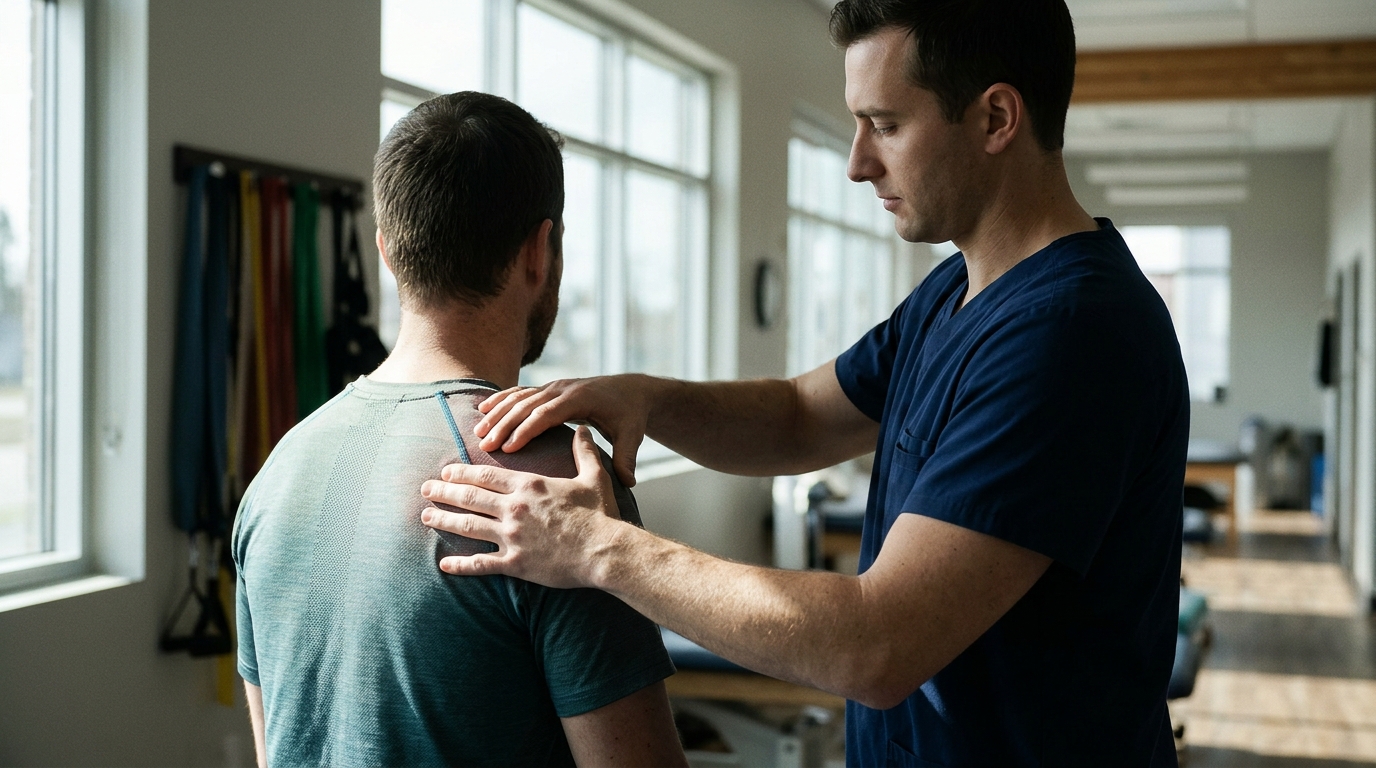
Shoulder instability is a condition where the upper arm bone slips out of its socket, often due to injury or structural weakness. Treatment ranges from physical therapy to surgical reconstruction, depending on the severity of the instability. At Alaska Shoulder & Orthopaedic Institute, Dr. Kevin Paisley evaluates these complex joint issues to create individualized care plans. This article outlines the primary medical approaches for managing loose or unstable shoulder joints. For additional details, review the Release of Medical Information form.
Conservative Care and Physical Therapy
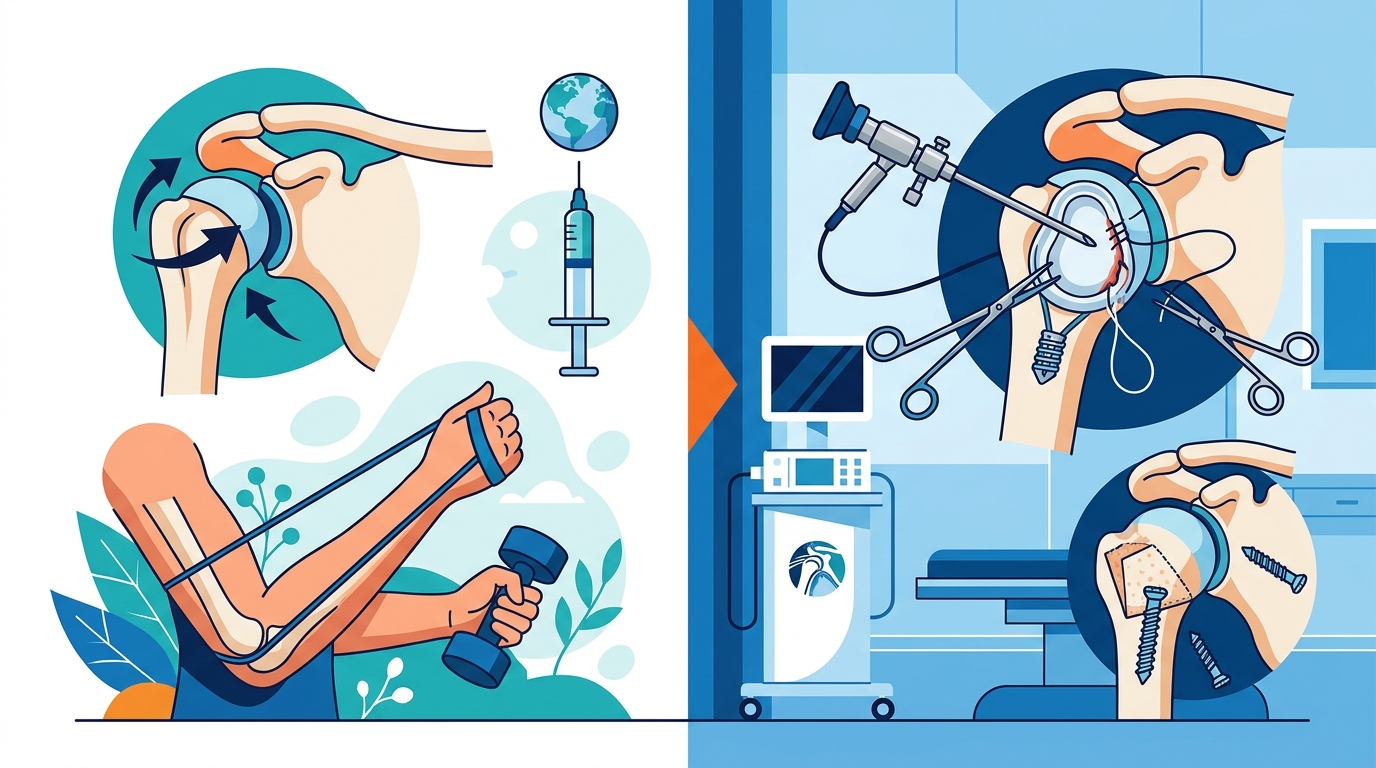
For many patients, non-surgical management is the first line of defense. Conservative care is a treatment approach that focuses on strengthening the muscles around the shoulder joint to improve stability without invasive procedures. The goal is to enhance the dynamic stability provided by the rotator cuff and scapular muscles. This method is often effective for patients with mild instability or those who have not experienced recurrent dislocations. For additional details, review the services offered.
Injections and Regenerative Therapies
When pain and inflammation interfere with rehabilitation, injections can provide temporary relief. Corticosteroid injections are commonly used to reduce acute inflammation, allowing patients to participate more effectively in physical therapy. However, these are generally considered a bridge to therapy rather than a standalone cure. They do not repair structural damage but can make the healing environment more favorable. For additional details, review the rejuvenative therapies.
Surgical Reconstruction and Arthroscopy
For patients with recurrent dislocations or significant structural damage, surgery may be necessary. Surgical reconstruction is a procedure designed to repair or tighten the ligaments and labrum that hold the shoulder in place. The most common technique is the Bankart repair, which reattaches the torn labrum to the bone. This procedure is highly effective for preventing future dislocations in many patients, though it is not without risks. For additional details, review the evaluation and treatment services.
Dr. Paisley utilizes advanced arthroscopic techniques to perform these repairs with minimal invasiveness. Arthroscopy allows for precise visualization of the joint structures, reducing soft tissue trauma and potentially shortening recovery time. In cases of bone loss, additional procedures such as bone grafting or the Latarjet procedure may be required. The decision to operate depends on the patient's age, activity level, and the specific anatomy of the injury. Surgery is generally reserved for patients who have failed conservative management or have high-risk features for recurrence.
Post-Treatment Rehabilitation and Recovery
Recovery is a critical component of any shoulder instability treatment plan. Rehabilitation is the structured process of restoring strength, range of motion, and function after injury or surgery. It typically begins with protected motion and progresses to strengthening and functional training. The timeline varies significantly; non-surgical patients may return to activity in weeks, while surgical patients often require several months of guided therapy.
Adherence to the rehabilitation protocol is the strongest predictor of long-term success. Patients must follow specific restrictions to protect the healing tissues. At Alaska Shoulder & Orthopaedic Institute, the focus is on returning patients to their desired level of activity, whether that is work, recreation, or daily living. The practice emphasizes clear communication about milestones and expectations to ensure patients understand the recovery process. Consistent follow-up appointments allow the care team to adjust the plan based on progress.
Key Takeaways
- Shoulder instability treatment is highly individualized and depends on the cause and severity of the condition.
- Conservative care, including physical therapy, is often the first step for mild cases or first-time dislocations.
- Regenerative therapies like PRP and stem cells may be options for some patients but are not guaranteed cures.
- Surgical reconstruction, such as the Bankart repair, is effective for recurrent instability but carries inherent risks.
- Rehabilitation is essential for all treatment paths and requires consistent patient participation.
- Dr. Kevin Paisley provides specialized evaluation to determine the best approach for each patient's unique anatomy and goals.
Frequently Asked Questions
What is shoulder instability?
Shoulder instability is a condition where the humeral head (upper arm bone) slips out of or partially out of the glenoid socket, often due to ligament laxity or injury.
Can physical therapy fix a loose shoulder?
Is surgery always required for a dislocated shoulder?
No, surgery is not always required. Many first-time dislocations are treated with physical therapy. Surgery is typically considered for recurrent dislocations or significant structural damage.
What is a Bankart repair?
A Bankart repair is a surgical procedure that reattaches the torn labrum (cartilage ring) to the bone to restore shoulder stability and prevent dislocation.
How long does recovery take after shoulder surgery?
Recovery timelines vary, but most patients require several months of physical therapy. Full return to high-impact activities may take six months to a year, depending on the specific procedure and individual healing.
Does Dr. Paisley offer non-surgical options?
Yes, Dr. Paisley offers a range of non-surgical options, including physical therapy, injections, and regenerative therapies, depending on the patient's specific condition and goals.
Next Steps for Shoulder Care
Choosing the right treatment for shoulder instability requires a detailed evaluation of your specific anatomy and medical history. At Alaska Shoulder & Orthopaedic Institute, the focus is on providing clear explanations of all available options, from conservative care to advanced surgical reconstruction. To discuss your symptoms and determine the best path forward, contact our team to schedule a consultation with Dr. Kevin Paisley.