Rotator cuff repair is a surgical procedure designed to reattach torn tendons to the humerus bone, restoring shoulder stability and function. In Anchorage, Alaska Shoulder & Orthopaedic Institute provides specialized care for these complex injuries. Dr. Kevin Paisley, a board-certified orthopedic surgeon, focuses on individualized treatment plans that balance conservative care with advanced surgical options when necessary.
Understanding the Injury and Surgical Indications
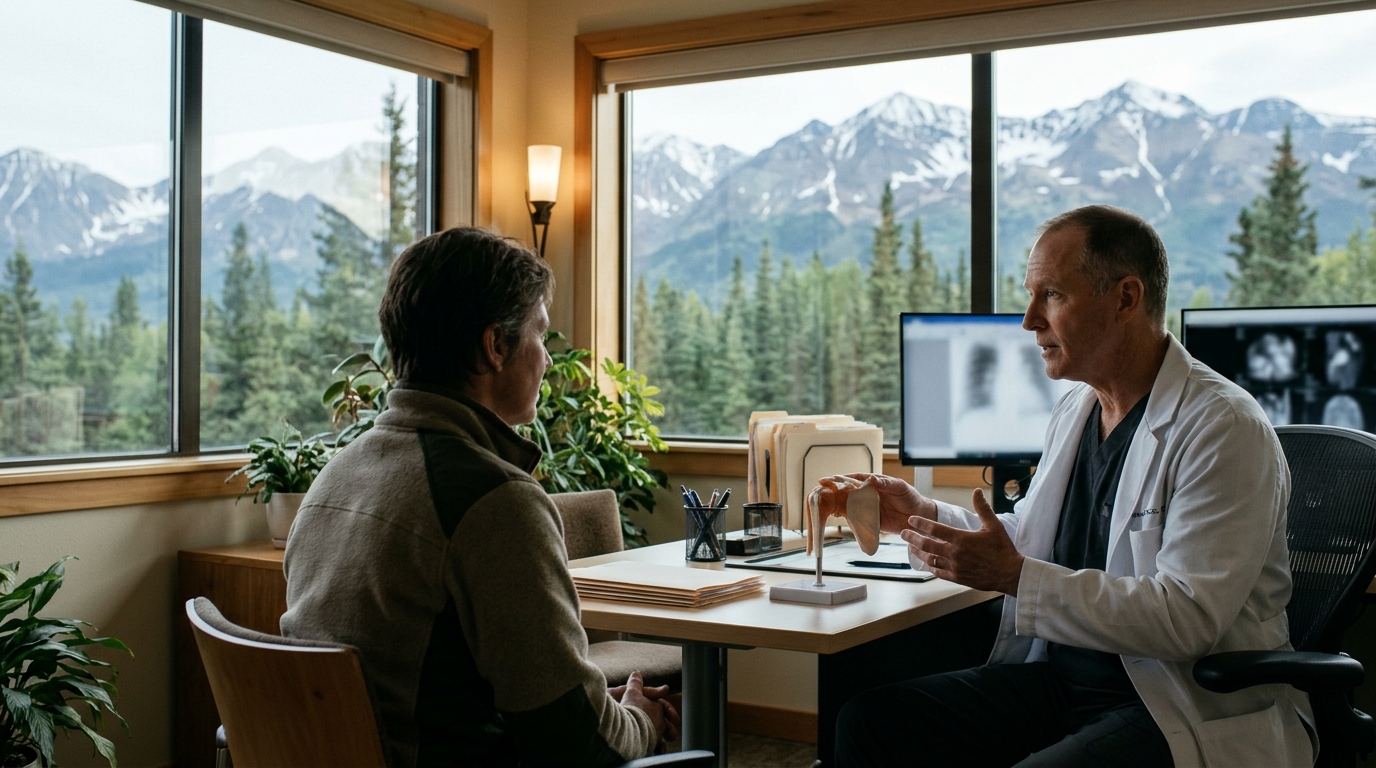
At Alaska Shoulder & Orthopaedic Institute, the evaluation process begins with a thorough clinical examination and imaging studies, such as MRI or ultrasound. Dr. Paisley explains that surgery is typically recommended when conservative measures fail to relieve pain or restore strength. The decision to proceed with surgery depends on the size of the tear, the patient's age, activity level, and overall health. This individualized approach ensures that the treatment plan aligns with the patient's specific goals and lifestyle.
Surgical Techniques: Arthroscopic vs. Open Repair
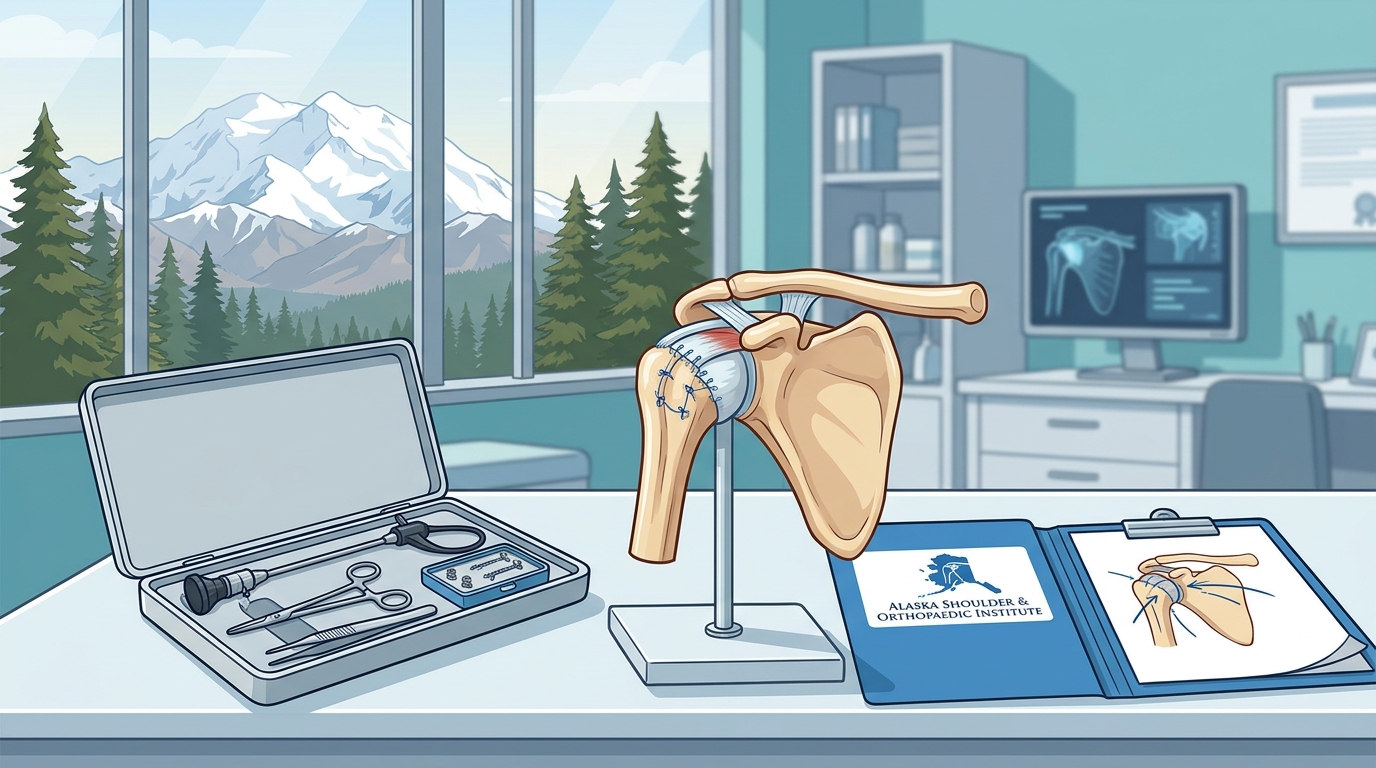
Dr. Paisley utilizes advanced arthroscopic equipment to perform these repairs with precision. The goal of the surgery is to reattach the torn tendon to the bone using sutures or anchors. The choice between arthroscopic and open repair is determined during the preoperative planning phase. Patients should discuss the specific technique recommended for their case with their surgeon to understand the expected recovery timeline and potential risks.
The Recovery Process and Rehabilitation
Recovery from rotator cuff repair is a gradual process that requires patience and consistent rehabilitation. The recovery phase is a structured period of healing and strengthening that typically lasts several months. Immediately after surgery, the shoulder is placed in a sling to protect the repair. Patients are advised to limit overhead activities and heavy lifting during the initial healing period, which usually spans six to twelve weeks.
Physical therapy is a critical component of the recovery plan. A physical therapy program is a series of exercises designed to restore range of motion and strength safely. Dr. Paisley emphasizes that adherence to the prescribed therapy protocol is essential for a successful outcome. Patients should expect to work closely with their physical therapist to progress through the stages of rehabilitation. The timeline for returning to full activity varies by individual, but most patients see significant improvement in function within six to twelve months.
Local Expertise in Anchorage
Choosing the right surgeon is a crucial step in the treatment journey. Dr. Kevin Paisley is a highly specialized shoulder surgeon based in Anchorage. He has received the Anchorage Press Best Orthopedic Surgeon award four times, reflecting his dedication to patient care and surgical excellence. At Alaska Shoulder & Orthopaedic Institute, the focus is on providing comprehensive orthopedic care tailored to the unique needs of Alaskan patients.
The practice offers a range of services, including evaluation, nonsurgical treatment, and surgical intervention. Dr. Paisley also provides rejuvenative therapies, such as stem cell, peptide, and plasma injections, for patients who may benefit from regenerative medicine. These options are discussed during the consultation to determine if they are appropriate for the patient's specific condition. The team at the institute is committed to helping patients return to their active lifestyles with confidence.
Preparing for Your Consultation
Before your appointment, it is helpful to gather relevant medical records and imaging studies. A preoperative consultation is a meeting with the surgeon to discuss your medical history, symptoms, and treatment options. Bring a list of questions you have about the surgery, recovery, and potential risks. It is also important to discuss any current medications or health conditions that may affect your surgical candidacy.
Patients are encouraged to be honest about their goals and expectations. Dr. Paisley takes the time to explain the available options clearly, ensuring that patients make informed decisions about their care. The consultation is an opportunity to build a relationship with your healthcare provider and to address any concerns you may have. By preparing thoroughly, you can make the most of your appointment and move forward with a clear treatment plan.
Key Takeaways
- Rotator cuff repair is a surgical procedure that reattaches torn tendons to the humerus bone.
- Arthroscopic repair is the most common technique, offering minimally invasive benefits.
- Recovery involves a structured physical therapy program lasting several months.
- Dr. Kevin Paisley is a recognized shoulder specialist in Anchorage with multiple awards.
- Individualized treatment plans consider both nonsurgical and surgical options.
- Regenerative therapies may be discussed as part of a comprehensive care plan.
Frequently Asked Questions
How long does rotator cuff repair surgery take?
The duration of the surgery varies depending on the complexity of the tear and the technique used. Most arthroscopic repairs take between one to two hours. The surgeon will provide a more specific estimate during your preoperative consultation based on your individual case.
What is the success rate of rotator cuff repair?
Success rates for rotator cuff repair are generally high, particularly for smaller tears. Factors such as tear size, patient age, and adherence to rehabilitation influence outcomes. Your surgeon can discuss the expected results for your specific condition during the consultation.
Can I return to work after rotator cuff surgery?
The timeline for returning to work depends on the physical demands of your job. Desk-based jobs may allow for a return in a few weeks, while physically demanding jobs may require several months. Your surgeon will provide guidance based on your specific duties and recovery progress.
Is physical therapy mandatory after surgery?
Yes, physical therapy is a critical component of recovery. It helps restore range of motion and strength while protecting the surgical repair. Skipping or delaying therapy can negatively impact the final outcome and prolong recovery.
What are the risks of rotator cuff repair?
Like any surgery, rotator cuff repair carries risks such as infection, stiffness, and re-tear. However, serious complications are rare. Your surgeon will discuss the specific risks and benefits associated with your procedure during the preoperative visit.