Realistic Expectations One Year After Rotator Cuff Surgery in Anchorage
One year after rotator cuff repair, most patients experience significant pain reduction and improved shoulder function, though full strength restoration varies by individual. At Alaska Shoulder & Orthopaedic Institute, Dr. Kevin Paisley emphasizes that long-term success depends on consistent rehabilitation and realistic goal-setting. This timeline helps you understand the physiological changes and functional milestones typical for patients in the Anchorage area. For additional details, review the wp.
The Biological Healing Timeline
Rotator cuff repair is a surgical procedure that reattaches torn tendons to the humeral bone. The biological healing process occurs in distinct phases that dictate your activity restrictions. In the first six weeks, the tendon-bone interface is fragile and relies on scar tissue formation. By three to six months, the tendon has integrated sufficiently to withstand moderate loading. At the one-year mark, the tissue has typically matured into a stronger, more organized structure. Understanding this timeline prevents premature return to high-risk activities that could compromise the repair. For additional details, review the Frequently Asked Questions.
Functional Milestones at the One-Year Mark
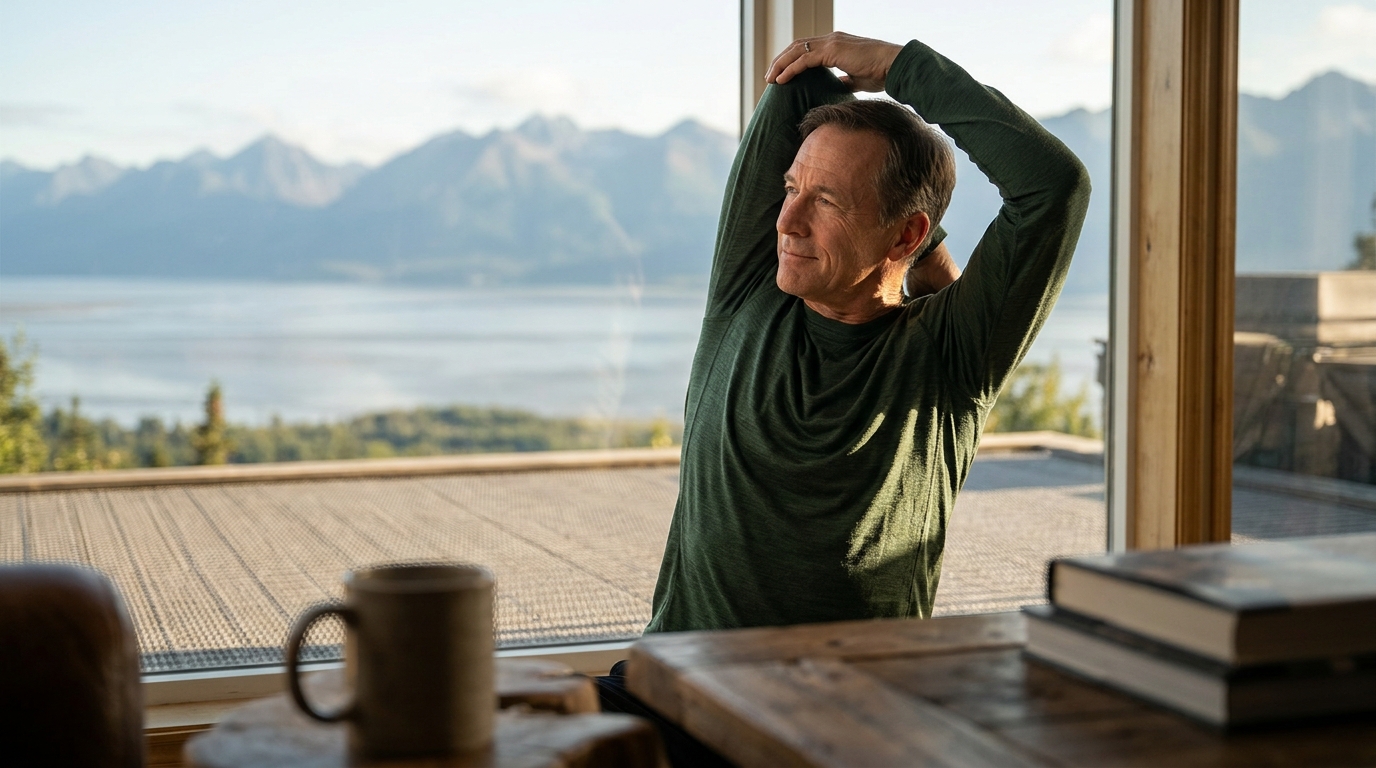
By twelve months post-surgery, the majority of patients can resume most daily activities without significant pain. You should expect to be able to lift objects overhead, reach behind your back, and perform household tasks with ease. For active individuals, this is often the period when structured sports or heavy labor can be reintroduced, provided strength has been fully restored. Dr. Paisley notes that while pain often resolves earlier, functional strength may take up to a year to reach its peak potential. This phase is critical for establishing a new baseline of shoulder health.
Strength and Range of Motion Realities
Range of motion is typically the first metric to improve, often reaching near-normal levels by six months. Strength recovery, however, is a slower process that continues to progress through the first year. Patients often report that their shoulder feels "normal" in terms of movement but may still lack the explosive power needed for certain athletic pursuits. At Alaska Shoulder & Orthopaedic Institute, we use objective measurements to track these improvements. If you find your strength plateauing, a review of your rehabilitation protocol may be necessary to address specific muscle imbalances.
Long-Term Maintenance and Lifestyle Adjustments
When to Seek Further Evaluation
While most patients progress smoothly, some may experience persistent pain or stiffness beyond the one-year mark. This does not necessarily indicate surgical failure but may suggest underlying issues such as arthritis or muscle weakness. If you are not meeting your functional goals, a follow-up evaluation is recommended. At our Anchorage practice, we utilize advanced imaging and clinical assessment to identify any residual problems. Early intervention in this phase can prevent minor issues from becoming chronic conditions.
Key Takeaways
- Biological healing of the tendon-bone interface typically matures by the one-year mark.
- Range of motion often improves faster than strength, with strength peaking around 12 months.
- Most daily activities can be resumed without pain by the one-year anniversary.
- Long-term maintenance through consistent strengthening is crucial for preserving results.
- Persistent pain or stiffness beyond one year warrants a professional re-evaluation.
- Individual outcomes vary based on tear size, age, and adherence to rehabilitation.
Frequently Asked Questions
Is it normal to still have some pain one year after surgery?
Mild discomfort during heavy lifting or extreme ranges of motion can be normal, but significant pain is not. If pain interferes with daily life, a follow-up evaluation is recommended to rule out other issues.
Can I return to my pre-injury level of activity?
Many patients return to their pre-injury activities, but this depends on the severity of the tear and your rehabilitation progress. Dr. Paisley works with patients to set realistic goals based on their specific condition.
How long does it take to regain full strength?
Strength recovery is a gradual process that can take up to 12 to 18 months. Most patients reach their peak functional strength around the one-year mark, with continued improvements possible thereafter.
Do I need to wear a brace after the first few months?
Bracing is typically only required during the initial healing phase, usually for the first six weeks. By the one-year mark, a brace is generally not necessary for daily activities.
What if my shoulder feels stiff a year later?
Stiffness can persist if rehabilitation was not completed or if scar tissue has formed. Physical therapy focused on mobility can often address this issue effectively.
Next Steps for Your Recovery
Understanding the realistic expectations for your shoulder one year after surgery empowers you to make informed decisions about your activity levels and long-term health. At Alaska Shoulder & Orthopaedic Institute, we are committed to guiding you through every phase of your recovery. If you have questions about your progress or are experiencing unexpected symptoms, our team is here to help. Contact our Anchorage office to schedule a follow-up evaluation and ensure your shoulder is on the right track for the long term.