
Reverse Shoulder Replacement: Long-Term Results and Recovery Timeline
Reverse shoulder replacement is a surgical procedure that replaces the ball-and-socket joint with a prosthesis where the ball is attached to the upper arm and the socket to the shoulder blade. Long-term results typically show significant pain reduction and improved function for patients with severe arthritis or rotator cuff tears. The recovery timeline spans several months, with most patients regaining daily independence by six months. At Alaska Shoulder & Orthopaedic Institute, Dr. Kevin Paisley provides individualized care to help patients navigate this complex journey safely. For additional details, review the wp.
Understanding the Reverse Mechanism
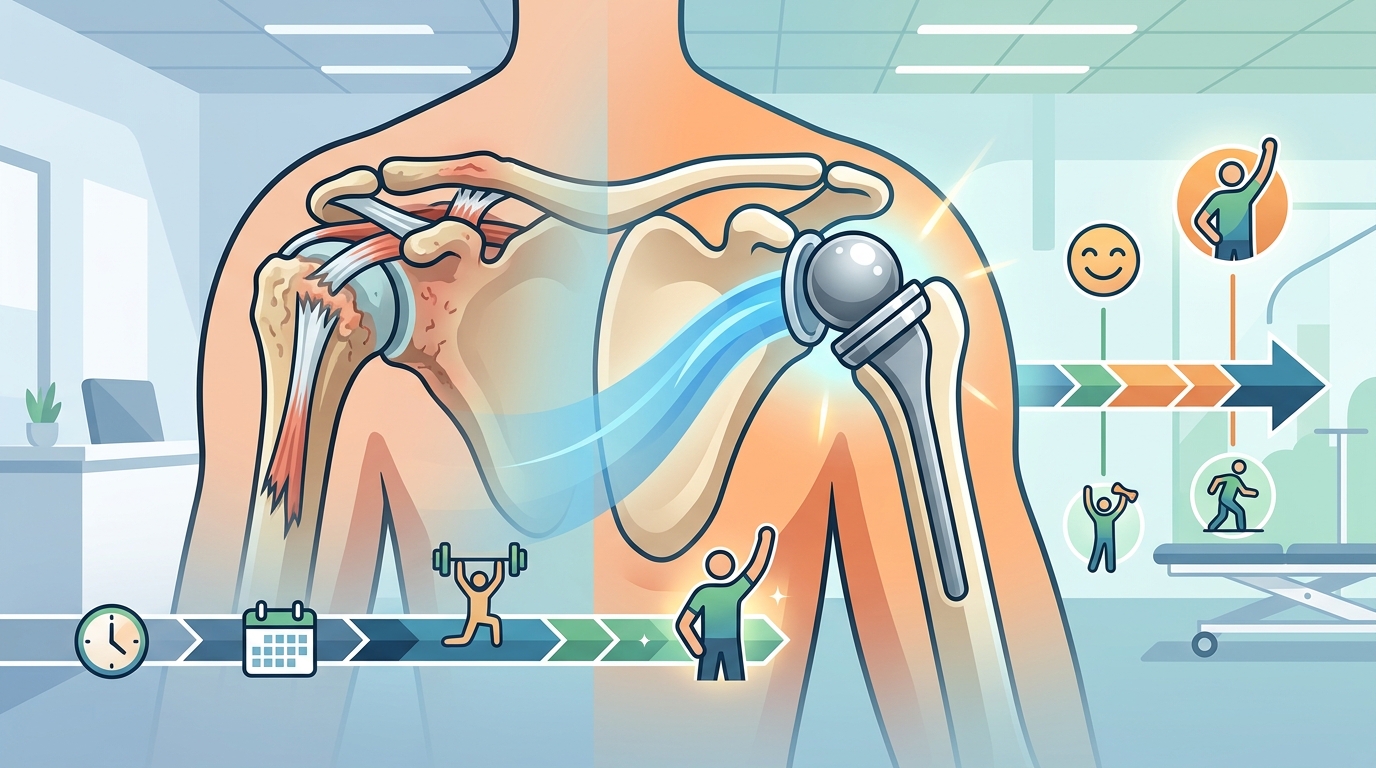
Traditional shoulder replacements mimic the natural anatomy, but reverse shoulder replacement alters this design. In this procedure, the metal ball is fixed to the humerus (upper arm bone), and the plastic socket is attached to the glenoid (shoulder blade). This configuration allows the deltoid muscle to lift the arm, bypassing the damaged rotator cuff. This mechanical shift is critical for patients who have lost rotator cuff function due to massive tears or arthritis. By relying on the deltoid, the implant restores overhead motion that would otherwise be impossible. For additional details, review the .
Why Anatomy Matters
The success of the surgery depends on the integrity of the deltoid muscle. If the deltoid is weak or torn, the implant may not function as intended. Therefore, pre-surgical evaluation is essential to ensure the muscle can support the new joint. Dr. Paisley evaluates muscle strength and bone quality to determine if a patient is a suitable candidate for this specific implant design. For additional details, review the Customer Experience.
The Immediate Post-Operative Phase
The first two weeks after surgery focus on pain management and protecting the new joint. Patients typically wear a sling to limit movement and allow the bone cement to set. Swelling and stiffness are common during this period. Physical therapy begins gently, often with passive range-of-motion exercises performed by a therapist. The goal is to prevent frozen shoulder while avoiding stress on the healing tissues. Most patients return home one to two days after the procedure, depending on their overall health and support system. For additional details, review the Frequently Asked Questions.
Pain Management Strategies
Modern pain control protocols often use multi-modal approaches, combining oral medications with nerve blocks. This reduces the need for high-dose opioids and helps patients participate in early therapy. At Alaska Shoulder & Orthopaedic Institute, the team educates patients on realistic pain expectations to manage anxiety and improve compliance with rehabilitation protocols.
Mid-Term Rehabilitation and Milestones
Between weeks three and twelve, rehabilitation intensifies. Patients transition from passive to active-assisted movements. By month three, many patients can perform basic daily tasks like dressing and grooming. The deltoid muscle begins to strengthen, allowing for greater independence. Physical therapy sessions focus on strengthening the shoulder and surrounding muscles. This phase is crucial for building the foundation for long-term function. Patients should expect gradual progress rather than immediate full mobility.
Common Challenges
Stiffness can persist if therapy is inconsistent. Some patients experience temporary weakness in the arm. Consistent attendance at physical therapy appointments is the strongest predictor of success during this phase. Dr. Paisley monitors progress closely to adjust therapy plans if milestones are not met, ensuring the patient stays on track for optimal recovery.
Long-Term Functional Outcomes
Long-term results for reverse shoulder replacement are generally positive, with many patients reporting significant pain relief. Studies indicate that implants can last 10 to 15 years or more, depending on activity levels and bone health. Functionally, patients often regain the ability to reach overhead and perform daily activities with less pain. However, the range of motion may not return to pre-injury levels. The primary goal is pain-free function rather than athletic performance. Long-term follow-up is essential to monitor implant stability and bone health.
Activity Restrictions
Patients are advised to avoid high-impact activities and heavy lifting. Repetitive overhead motions should be modified to protect the implant. Understanding these limitations helps prevent premature wear or loosening of the prosthesis. The practice provides clear guidelines on safe activities to help patients maintain an active lifestyle within the implant's capabilities.
Potential Complications and Risks
Like any major surgery, reverse shoulder replacement carries risks. Infection, dislocation, and implant loosening are possible, though rare. Bone loss around the implant can occur over time, potentially requiring revision surgery. Patients with diabetes or osteoporosis may face higher risks of complications. A thorough pre-operative assessment helps identify and mitigate these risks. At Alaska Shoulder & Orthopaedic Institute, the team discusses all potential risks openly to ensure informed consent and realistic expectations.
Monitoring Long-Term Health
Regular follow-up appointments are necessary to check for signs of wear or loosening. X-rays may be taken periodically to assess implant position. Early detection of issues allows for timely intervention, which can preserve function and avoid more complex revisions. Patients should report any new pain, clicking, or instability to their care team immediately.
Key Takeaways
- Reverse shoulder replacement reverses the natural joint anatomy to rely on the deltoid muscle for movement.
- The initial recovery phase focuses on pain control and protecting the joint for the first two weeks.
- Mid-term rehabilitation (weeks 3-12) is critical for regaining independence in daily tasks.
- Long-term outcomes typically involve significant pain relief and improved function, with implants lasting 10-15 years.
- Activity modifications are necessary to protect the implant and prevent premature wear.
- Regular follow-up care is essential for monitoring implant health and addressing potential complications.
Frequently Asked Questions
How long does a reverse shoulder replacement last?
Most reverse shoulder implants last 10 to 15 years or longer. The lifespan depends on factors like activity level, bone quality, and adherence to activity restrictions. Regular follow-up care helps maximize the longevity of the implant.
Can I return to sports after reverse shoulder replacement?
High-impact sports are generally not recommended. Patients can often return to low-impact activities like walking, swimming, and cycling. Heavy lifting and repetitive overhead motions should be avoided to protect the implant.
How much pain can I expect after surgery?
Pain is typically manageable with modern pain control protocols. Most patients report significant pain relief compared to their pre-surgical state. Individual pain experiences vary, and the care team will tailor a plan to your needs.
Is physical therapy mandatory after surgery?
Yes, physical therapy is essential for a successful recovery. It helps restore range of motion and strength. Consistent participation in therapy is the strongest predictor of a good long-term outcome.
What are the main risks of reverse shoulder replacement?
Who is a good candidate for this surgery?
Candidates typically have severe arthritis or massive rotator cuff tears with a healthy deltoid muscle. Dr. Paisley evaluates each patient's specific anatomy and goals to determine if this procedure is appropriate.
Next Steps for Your Care
Understanding the long-term results and recovery timeline for reverse shoulder replacement helps you make informed decisions about your care. At Alaska Shoulder & Orthopaedic Institute, we are committed to providing clear, individualized guidance. If you are experiencing persistent shoulder pain or have been told you may need surgery, schedule a consultation to discuss your options. Contact Alaska Shoulder & Orthopaedic Institute to begin your journey toward a more active, pain-free life.