
Shoulder arthroscopy recovery typically spans three to six months for full functional return, with success rates exceeding 90% for most common indications. At Alaska Shoulder & Orthopaedic Institute in Anchorage, Dr. Kevin Paisley guides patients through individualized milestones, ensuring that expectations align with specific anatomical repairs and lifestyle goals. For additional details, review the wp.
Defining Arthroscopic Success Metrics
Arthroscopic success is defined by the restoration of pain-free range of motion and the ability to resume pre-injury activities. In clinical literature, a successful outcome is often measured by patient-reported outcome scores, such as the American Shoulder and Elbow Surgeons (ASES) score. A score above 90 generally indicates a high level of satisfaction and functional recovery. For patients in Alaska, this metric is particularly relevant for those returning to outdoor recreation or physically demanding work. For additional details, review the .
Success rates vary significantly based on the specific pathology addressed. For rotator cuff repairs, studies indicate that over 90% of patients report significant pain relief and improved function. However, these statistics represent population averages, not individual guarantees. The integrity of the tendon tissue at the time of surgery plays a critical role in the final outcome. For additional details, review the Customer Experience.
The Phased Recovery Timeline
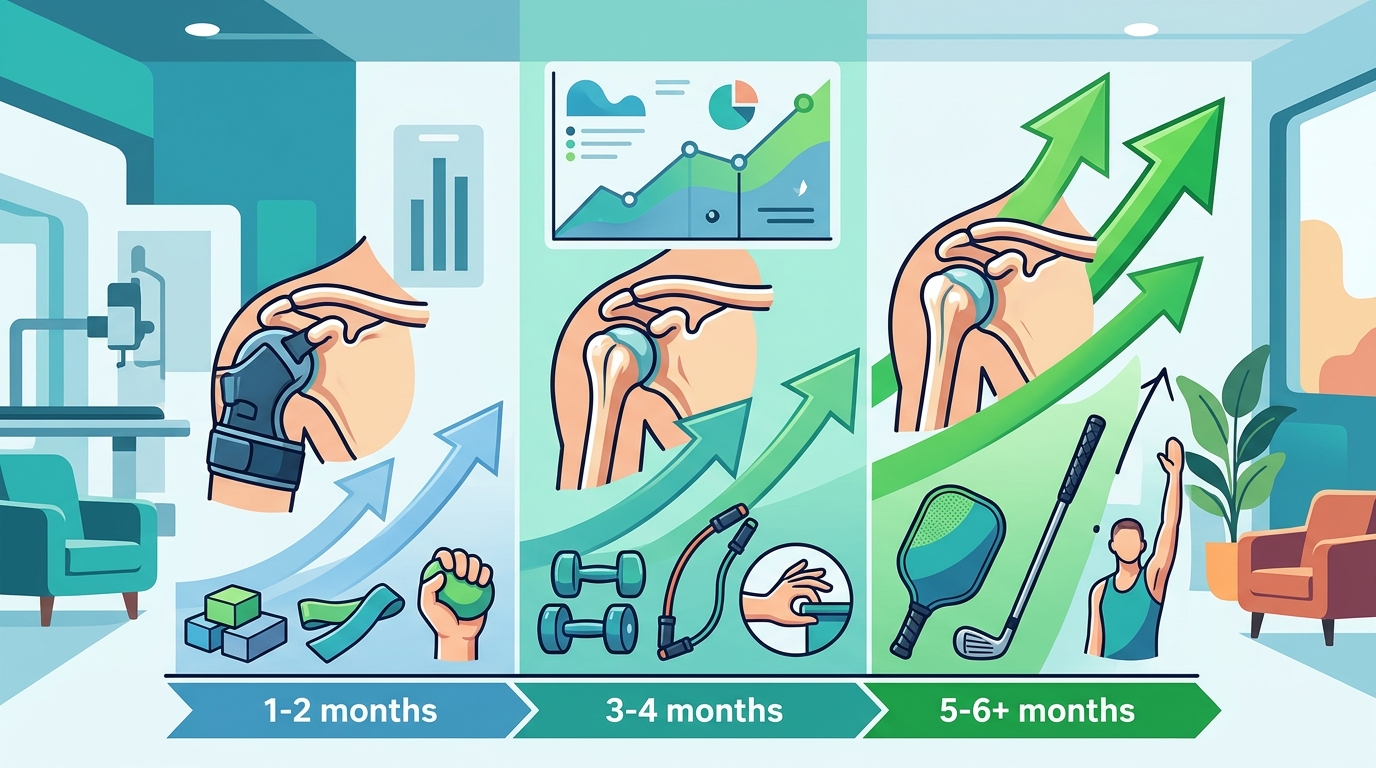
Recovery from shoulder arthroscopy is not a linear process but a phased progression. The initial phase, lasting approximately two to four weeks, focuses on protecting the surgical site and managing inflammation. During this period, patients typically use a sling and perform passive range-of-motion exercises under the guidance of a physical therapist. For additional details, review the Frequently Asked Questions.
The second phase, spanning weeks four through twelve, emphasizes active motion and early strengthening. Patients begin to wean off the sling and introduce active-assisted movements. By the three-month mark, most patients have regained a significant portion of their pre-operative range of motion. The final phase, from three to six months, involves progressive strengthening and sport-specific or work-specific conditioning. This structured approach minimizes the risk of stiffness and re-injury.
Factors Influencing Individual Outcomes
Several variables influence the speed and quality of recovery. Age and baseline tissue quality are primary determinants; younger patients with healthy tendon tissue often heal faster than older patients with degenerative changes. Comorbidities such as diabetes or smoking can impair healing and extend the timeline. Additionally, the extent of the tear or the complexity of the instability repair affects the duration of immobilization required.
Compliance with the rehabilitation protocol is the most controllable factor. Patients who adhere strictly to their physical therapy schedule and avoid premature loading of the shoulder tend to achieve better long-term results. At Alaska Shoulder & Orthopaedic Institute, the care team emphasizes the importance of this discipline to ensure optimal healing.
Long-Term Functional Expectations
Long-term success is measured by the durability of the repair and the patient's ability to maintain activity levels. For most patients, the benefits of arthroscopy are sustained for years, allowing them to return to work, recreation, and everyday activities without significant limitation. However, some patients may experience residual stiffness or mild discomfort during extreme weather changes, which is common in the Alaskan climate.
It is important to note that arthroscopy is a treatment, not a cure for underlying degenerative conditions. Patients with pre-existing arthritis may experience slower progress and may require additional interventions in the future. Setting realistic expectations helps patients navigate the recovery process with patience and confidence.
Key Takeaways
- Full recovery from shoulder arthroscopy typically takes three to six months.
- Success rates for common indications like rotator cuff tears often exceed 90%.
- Recovery is phased, moving from protection to active motion and finally to strengthening.
- Individual factors such as age, tissue quality, and comorbidities influence the timeline.
- Strict adherence to physical therapy protocols is critical for optimal outcomes.
- Long-term success depends on the durability of the repair and patient lifestyle.
Frequently Asked Questions
How long do I need to wear a sling after shoulder arthroscopy?
The duration of sling use depends on the specific procedure. For rotator cuff repairs, patients typically wear a sling for two to four weeks. For instability repairs, the period may be longer. Your surgeon will provide specific instructions based on your anatomy.
When can I return to work after shoulder surgery?
Return to work varies by job type. Desk-based jobs may allow a return in two to four weeks, while physically demanding jobs may require three to six months. A gradual return-to-work plan is often recommended.
Is shoulder arthroscopy a permanent fix?
Arthroscopy repairs the specific injury, but it does not reverse aging or degenerative changes. While many patients enjoy long-term relief, some may require additional treatments in the future.
What is the most common complication of shoulder arthroscopy?
Stiffness is a common complication if rehabilitation is not followed closely. Infection and re-tear are less common but possible risks. Close monitoring by your healthcare team helps mitigate these risks.
How does Alaska Shoulder & Orthopaedic Institute support recovery?
The practice provides individualized treatment plans and coordinates with physical therapists to ensure patients follow evidence-based rehabilitation protocols. Dr. Paisley focuses on restoring function and helping patients return to their desired activities.
Conclusion
Understanding the realistic timelines and success rates of shoulder arthroscopy helps patients set appropriate expectations and engage actively in their recovery. By focusing on structured rehabilitation and individualized care, patients can maximize their chances of a successful outcome. For those in Anchorage seeking specialized shoulder care, Alaska Shoulder & Orthopaedic Institute offers comprehensive evaluation and treatment options tailored to your unique needs.
To discuss your specific condition and recovery goals, contact Alaska Shoulder & Orthopaedic Institute to schedule a consultation.