
Shoulder Instability Surgery Recovery Timelines and Success Rates
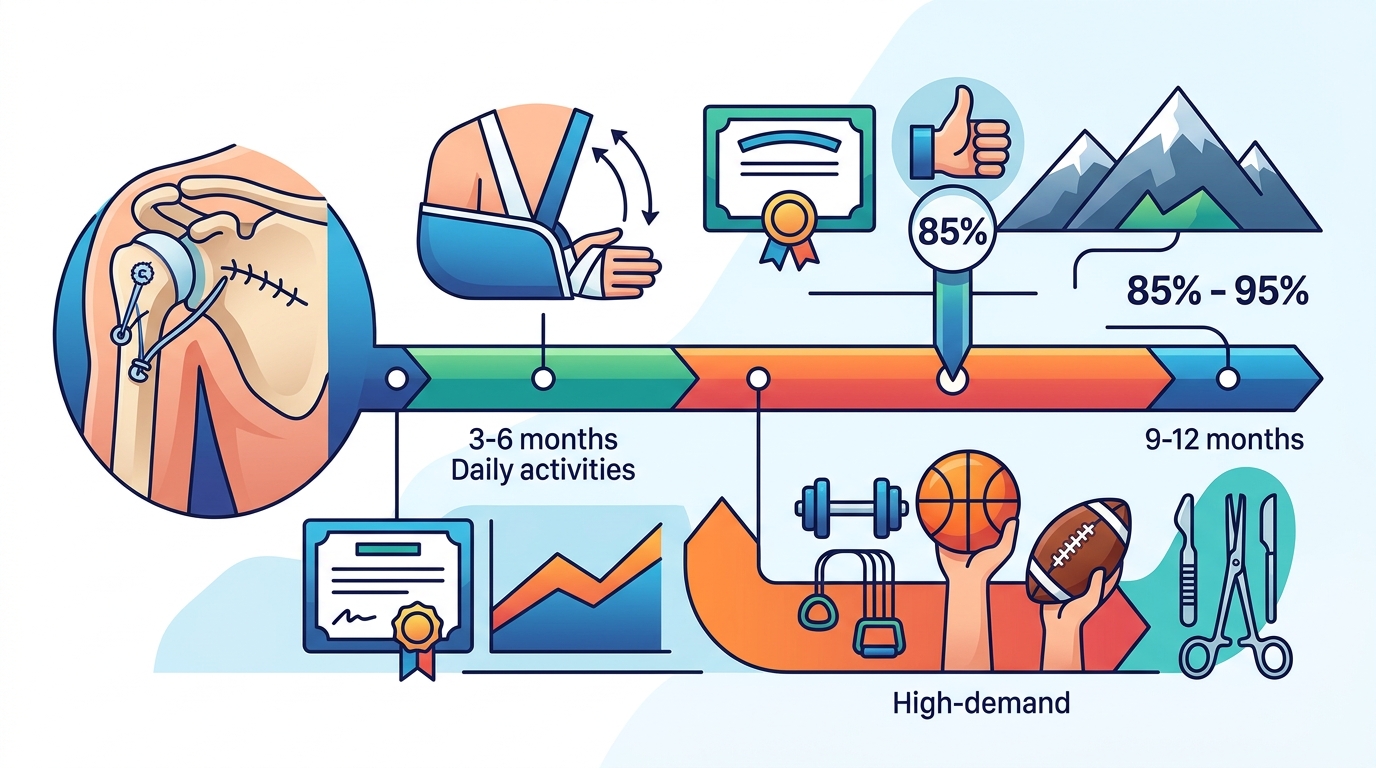
Shoulder instability surgery recovery typically spans 3 to 6 months for basic daily activities, with full return to high-demand sports taking 9 to 12 months. Success rates for arthroscopic stabilization procedures generally range from 85% to 95% in stable patient populations. At Alaska Shoulder & Orthopaedic Institute, Dr. Kevin Paisley evaluates each patient’s specific anatomy and activity goals to set realistic expectations for long-term function and pain relief.
Understanding the Surgical Approach
Arthroscopic vs. Open Techniques
Arthroscopic surgery is the standard of care for most traumatic instability cases. It allows the surgeon to visualize the joint precisely and perform the repair with minimal tissue disruption. Open surgery is reserved for complex cases involving significant bone defects or previous failed repairs. The choice of technique directly influences the early recovery timeline, with arthroscopic patients often beginning gentle range-of-motion exercises sooner.
Phased Recovery Milestones
Recovery from shoulder instability surgery follows a structured progression of healing phases. Each phase has specific goals and restrictions to protect the repair while gradually restoring motion and strength. Adhering to these milestones is critical for preventing re-dislocation and ensuring a durable outcome.
Phase 1: Protection and Healing (Weeks 0-6)
The first six weeks focus on protecting the surgical repair. Patients typically wear a sling for 4 to 6 weeks to limit shoulder movement. During this period, the primary goal is to allow the labrum and ligaments to heal to the bone. Active range of motion is restricted, and patients perform passive exercises to prevent stiffness. Pain management and swelling control are also priorities during this initial phase.
Phase 2: Motion Restoration (Weeks 6-12)
Once the initial healing is complete, the focus shifts to restoring full range of motion. Patients begin active-assisted and active exercises to regain shoulder mobility. The sling is usually discontinued during this phase, allowing for more natural movement. Physical therapy becomes more intensive, targeting specific muscle groups to support the joint. By the end of this phase, most patients can perform daily activities like dressing and reaching overhead.
Phase 3: Strengthening and Conditioning (Months 3-6)
The third phase emphasizes building strength and endurance in the rotator cuff and scapular muscles. Patients progress to resistance exercises and functional movements. This phase is crucial for preparing the shoulder for higher-level activities. By month 6, many patients have regained near-normal strength and can return to light recreational activities. The transition to full activity depends on individual progress and surgeon clearance.
Long-Term Success Rates and Outcomes
Success rates for shoulder instability surgery are generally high, particularly for patients with traumatic instability. Studies indicate that arthroscopic Bankart repair achieves success rates of 85% to 95% in preventing recurrent dislocations. Long-term follow-up studies show that most patients return to their pre-injury level of activity with minimal pain. However, success is influenced by factors such as age, activity level, and the presence of bone loss.
Factors Influencing Success
Return to Sport and High-Demand Activities
Returning to sport is a common goal for many patients undergoing shoulder instability surgery. The timeline for return to play varies significantly based on the sport and the individual’s progress. Contact sports like football or hockey typically require a minimum of 9 to 12 months before full contact is allowed. Non-contact sports like swimming or cycling may allow for an earlier return, often around 6 months. The decision to return to sport is based on objective strength testing and functional assessments, not just time elapsed.
Graduated Return Protocol
A graduated return protocol is essential for minimizing the risk of re-injury. This protocol involves a stepwise increase in activity intensity and complexity. Patients begin with low-impact exercises and progress to sport-specific drills. Full contact is only introduced after the shoulder has demonstrated adequate strength and stability. This cautious approach helps ensure that the repair is durable and that the patient can return to their desired activity level safely.
Managing Expectations and Long-Term Care
Preventing Recurrence
Preventing recurrence requires a commitment to proper technique and strength. Patients should avoid high-risk movements until fully cleared by their surgeon. Strengthening the rotator cuff and scapular muscles provides dynamic stability to the joint. Regular check-ups with the orthopedic team can help monitor shoulder health and address any concerns early. This proactive approach helps maintain the benefits of the surgery over the long term.
Key Takeaways
- Initial recovery from shoulder instability surgery typically takes 3 to 6 months for daily activities.
- Full return to high-demand sports usually requires 9 to 12 months of structured rehabilitation.
- Arthroscopic Bankart repair has a success rate of 85% to 95% in preventing recurrent dislocations.
- Adhering to phased recovery milestones is critical for protecting the surgical repair.
- Long-term success depends on maintaining shoulder strength and following a graduated return protocol.
- Individual factors like age, bone loss, and activity level influence the final outcome.
Frequently Asked Questions
How long do I need to wear a sling after shoulder instability surgery?
Most patients wear a sling for 4 to 6 weeks after surgery. The exact duration depends on the specific procedure and the surgeon’s recommendation. Wearing the sling protects the repair and allows the tissues to heal properly.
What is the success rate for arthroscopic shoulder instability surgery?
The success rate for arthroscopic Bankart repair is generally between 85% and 95%. This high success rate is observed in patients with traumatic instability who follow the recommended rehabilitation protocol.
When can I return to work after shoulder surgery?
Return to work depends on the physical demands of the job. Desk-based jobs may allow a return in 2 to 4 weeks, while physically demanding jobs may require 3 to 6 months. Your surgeon will provide specific guidance based on your progress.
Is shoulder instability surgery painful?
Pain after shoulder surgery is manageable with prescribed medications. Most patients experience significant pain relief within the first few weeks. The recovery process involves some discomfort, but it is generally less than the pain associated with the instability itself.
Can I play contact sports after shoulder instability surgery?
Yes, many patients return to contact sports after 9 to 12 months. A graduated return protocol is essential to minimize the risk of re-injury. Full contact is only allowed after the shoulder has demonstrated adequate strength and stability.
What are the risks of not having shoulder instability surgery?
Without surgery, patients with recurrent instability may experience repeated dislocations, which can damage the joint and lead to arthritis. Non-surgical management may be appropriate for some patients, but it does not address the underlying structural instability.
Next Steps for Your Shoulder Care
Understanding the realistic timelines and success rates for shoulder instability surgery helps you make informed decisions about your care. At Alaska Shoulder & Orthopaedic Institute, Dr. Kevin Paisley provides personalized evaluations to determine the best treatment plan for your specific condition. To schedule a consultation and discuss your recovery goals, today.