
Shoulder injuries can severely limit your ability to perform daily tasks, from lifting groceries to sleeping comfortably. According to recent orthopedic data, shoulder disorders account for a significant percentage of musculoskeletal complaints in Alaska, where the unique climate and active lifestyle contribute to higher rates of joint strain. Selecting the right specialist is not just about finding a doctor; it is about finding a partner who understands the specific biomechanical demands of your life. This guide outlines the critical steps for evaluating surgeons, understanding treatment pathways, and preparing for a successful recovery in Anchorage.
Understanding Your Shoulder Condition
Before you begin searching for a surgeon, it is essential to have a clear diagnosis. The shoulder is the most mobile joint in the human body, making it both versatile and vulnerable. Rotator cuff tears are among the most common reasons patients seek surgical intervention. These tears involve the tendons that stabilize the shoulder blade and upper arm bone.
Other common conditions include shoulder impingement, where tissues rub against the shoulder blade, causing pain and inflammation. Arthritis is another frequent culprit, leading to the breakdown of cartilage and bone-on-bone friction. Understanding your specific diagnosis helps you ask the right questions during your consultation. For instance, a partial tear might be managed with physical therapy, while a complete tear often requires surgical repair.
When you visit a clinic, expect a thorough physical examination. The doctor will test your range of motion and strength. They may also order imaging tests such as X-rays, MRIs, or ultrasounds to visualize the soft tissues and bones. This diagnostic phase is critical for determining whether surgery is truly necessary or if conservative treatments will suffice.
Why Specialization Matters in Orthopedics
Orthopedics is a broad field. While general orthopedic surgeons treat bones and joints throughout the body, shoulder reconstruction requires a highly specialized focus. The shoulder joint's complex anatomy demands a surgeon who performs these procedures regularly. High-volume surgeons typically have better outcomes because they have refined their techniques through repetition.
At Alaska Shoulder & Orthopaedic Institute, the practice is highly specialized in shoulder reconstruction. This focus ensures that patients receive care from experts who are deeply familiar with the nuances of shoulder anatomy and the latest surgical techniques. When evaluating a surgeon, ask about their fellowship training. Fellowship-trained surgeons have completed additional years of specialized education beyond their orthopedic residency.
Location is also a significant factor for patients in Anchorage. Recovery from shoulder surgery often requires frequent follow-up visits. Choosing a local provider like Alaska Shoulder & Orthopaedic Institute ensures that you have easy access to your care team. Proximity to the clinic at 4015 Lake Otis Parkway Suite #100 can reduce the stress of post-operative appointments, especially when mobility is limited.
Advanced Treatment Options Beyond Surgery
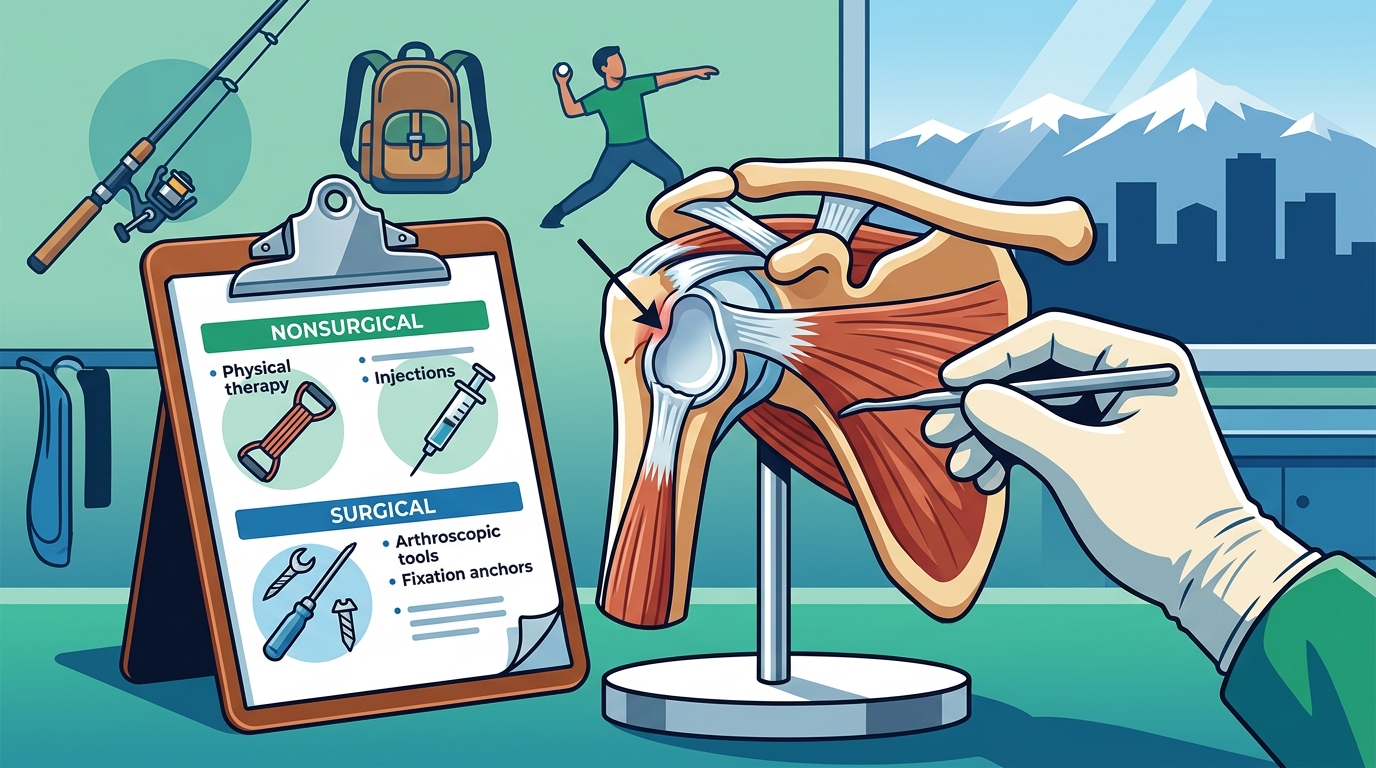
Not every shoulder injury requires an operation. Many patients benefit from rejuvenative therapies that promote healing without the risks of invasive surgery. These options are increasingly popular among active individuals who want to avoid downtime.
| Treatment Type | Description | Best For |
|---|---|---|
| Stem Cell Therapy | Uses concentrated cells to repair damaged tissue. | Early arthritis, tendon degeneration. |
| Plasma Injections | Uses platelet-rich plasma to accelerate healing. | Mild to moderate tears, inflammation. |
| Peptide Therapy | Uses amino acid chains to stimulate tissue repair. | Chronic pain, recovery support. |
These therapies are often used in conjunction with traditional treatments. For example, a patient might undergo stem cell injections to reduce inflammation before deciding on surgery. Or, they might use plasma injections to speed up recovery after a minor procedure. Discussing these options with your provider can help you create a personalized treatment plan. Mayo Clinic guidelines suggest that regenerative medicine is a growing field with promising results for specific orthopedic conditions.
Pre-Surgical Preparation Checklist
Preparing for shoulder surgery involves more than just scheduling the date. It requires physical and logistical preparation to ensure a smooth recovery. Here is a checklist to help you get ready.
1. Home Modifications
Before your surgery, modify your living space to accommodate limited arm mobility. Install grab bars in the bathroom and remove tripping hazards. Keep frequently used items at waist level to avoid reaching up or down. Consider a shower chair to make bathing safer and easier.
2. Medication Review
Review all your current medications with your surgeon. Some drugs, such as blood thinners or anti-inflammatories, may need to be paused before surgery. Your doctor will provide specific instructions on which medications to stop and when. American Academy of Orthopaedic Surgeons emphasizes the importance of medication management to reduce surgical risks.
3. Support System
Arrange for someone to drive you to and from the surgery center. You will also need assistance for the first few days at home. This person can help with cooking, cleaning, and other daily tasks. If you live alone, consider hiring a temporary home health aide.
4. Patient Portal Setup
Many clinics, including Alaska Shoulder & Orthopaedic Institute, offer patient portals for managing your care. Set up your account before your surgery to access pre-operative instructions, sign consent forms, and view test results. This digital tool streamlines communication between you and your care team.
Recovery Expectations and Timeline
Recovery from shoulder surgery is a gradual process. The timeline varies depending on the type of procedure performed. For example, a rotator cuff repair may require six months or more for full strength to return. In contrast, a shoulder arthroscopy might have a faster recovery time.
Physical therapy is a cornerstone of shoulder recovery. You will likely start therapy within a few weeks after surgery. The therapist will guide you through exercises to restore range of motion and strength. Consistency is key. Skipping therapy sessions can lead to stiffness and poor outcomes.
Pain management is another critical aspect of recovery. Your surgeon will prescribe pain medication for the first few days. As the pain subsides, you will transition to over-the-counter options. Ice packs and elevation can also help reduce swelling and discomfort. Johns Hopkins Medicine notes that adhering to the prescribed pain management plan is essential for a comfortable recovery.
Returning to work depends on the nature of your job. If you have a desk job, you might return in a few weeks. If your job involves heavy lifting, you may need several months off. Your surgeon will provide a work restriction letter to help your employer understand your limitations.
Key Takeaways
- Specialization is Critical: Choose a surgeon who specializes in shoulder reconstruction for better outcomes.
- Local Care Benefits: Anchorage patients benefit from proximity to care, reducing travel stress during recovery.
- Regenerative Options: Stem cell, peptide, and plasma therapies offer non-surgical alternatives for certain conditions.
- Preparation Matters: Modify your home and arrange support before surgery to ease the transition.
- Therapy is Essential: Consistent physical therapy is vital for restoring strength and mobility.
- Communication: Use patient portals and regular check-ins to stay connected with your care team.
- Realistic Expectations: Recovery takes time. Patience and adherence to medical advice are crucial.
Frequently Asked Questions
How do I know if I need shoulder surgery?
Surgery is typically recommended when conservative treatments like physical therapy and medication fail to relieve pain or restore function. Your surgeon will evaluate your condition through physical exams and imaging to determine if surgery is the best option.
What is the difference between stem cell and plasma injections?
Stem cell therapy uses concentrated cells to promote tissue regeneration, while plasma injections use platelet-rich plasma to reduce inflammation and accelerate healing. Both are minimally invasive and can be effective for specific shoulder conditions.
How long is the recovery time for shoulder surgery?
Recovery time varies by procedure. Arthroscopic surgeries may have a recovery time of a few weeks, while rotator cuff repairs can take six months or more. Your surgeon will provide a personalized timeline based on your specific surgery.
Can I drive after shoulder surgery?
You cannot drive immediately after surgery. You must wait until you are off pain medication and have sufficient control of your arm. Your surgeon will advise you on when it is safe to resume driving.
What should I bring to my first consultation?
Bring a list of your current medications, any imaging results from other providers, and a list of questions you want to ask. Being prepared helps make the most of your consultation time.
Is the surgery painful?
Most shoulder surgeries are performed under anesthesia, so you will not feel pain during the procedure. Post-operative pain is managed with medication and typically subsides over time. Ice and elevation also help reduce discomfort.
How do I choose the right surgeon?
Look for a surgeon who specializes in shoulder conditions, has fellowship training, and has a good track record of patient outcomes. Ask about their experience with your specific condition and their approach to recovery.
Schedule Your Consultation
Taking the first step toward shoulder health is crucial. If you are experiencing persistent pain or limited mobility, do not wait. Contact Alaska Shoulder & Orthopaedic Institute to schedule a consultation with Dr. Kevin Paisley or Leland Grohs PA-C. They are dedicated to providing expert care and helping you return to the activities you love. Call (907) 646-7846 or visit their office at 4015 Lake Otis Parkway Suite #100 in Anchorage, AK.