Shoulder reconstruction is a complex surgical intervention that demands precision, specialized expertise, and a deep understanding of the unique biomechanics of the glenohumeral joint. According to the American Academy of Orthopaedic Surgeons, shoulder instability and rotator cuff tears are among the most common orthopedic conditions treated in the United States, affecting millions of individuals annually. For residents of Anchorage, Alaska, finding a surgeon who combines advanced surgical techniques with a personalized approach to recovery is critical for restoring function and preventing future complications. This guide provides a structured framework for evaluating potential surgeons, ensuring you make an informed decision that aligns with your specific medical needs and lifestyle goals.
Understanding Shoulder Reconstruction
Shoulder reconstruction refers to a group of surgical procedures designed to restore the stability and function of the shoulder joint. This is typically necessary when conservative treatments, such as physical therapy or medication, fail to alleviate pain or correct instability. The shoulder is the most mobile joint in the body, which makes it highly susceptible to injury and degeneration. Reconstruction may involve repairing torn ligaments, reattaching tendons, or replacing damaged joint surfaces.
Shoulder reconstruction is a surgical procedure aimed at restoring the structural integrity and functional capacity of the glenohumeral joint. The goal is to reduce pain, improve range of motion, and prevent recurrent dislocations or instability. Patients often seek this intervention after traumatic injuries, repetitive strain, or degenerative conditions like arthritis. Understanding the specific type of reconstruction required is the first step in selecting the right surgeon.
Evaluating Surgeon Expertise and Credentials
When searching for a shoulder reconstruction surgeon in Anchorage, credentials are the foundation of your decision. Board certification is the primary indicator of a surgeon's commitment to maintaining high standards of care. The American Board of Orthopaedic Surgery (ABOS) sets rigorous standards for knowledge, skill, and ethical practice. A surgeon certified by ABOS has demonstrated mastery through comprehensive examinations and peer review.
Beyond board certification, look for fellowship training in shoulder and elbow surgery. This additional year of specialized training focuses exclusively on the upper extremity, providing surgeons with deep expertise in complex reconstruction techniques. According to the American Shoulder and Elbow Surgeons (ASES), fellowship-trained surgeons are better equipped to handle complex cases and achieve superior outcomes. You can verify these credentials through the American Academy of Orthopaedic Surgeons or the American Shoulder and Elbow Surgeons websites.
The Importance of Specialization
Orthopedic surgery is a broad field, and specialization matters significantly for shoulder reconstruction. A general orthopedic surgeon may be skilled in knee or hip replacements but lack the nuanced experience required for complex shoulder procedures. Shoulder reconstruction requires a detailed understanding of the rotator cuff, labrum, and biceps tendon. Surgeons who focus on shoulder and elbow pathology are more likely to stay current with the latest minimally invasive techniques and arthroscopic innovations.
Shoulder and elbow specialization is a focused area of orthopedic practice dedicated to the diagnosis and treatment of upper extremity conditions. This specialization ensures that the surgeon has performed a high volume of shoulder procedures, which correlates with better patient outcomes. When reviewing potential surgeons, ask about their annual case volume for shoulder reconstructions. High-volume surgeons typically have refined their techniques and developed efficient protocols for post-operative care.
Assessing Facility Quality and Technology
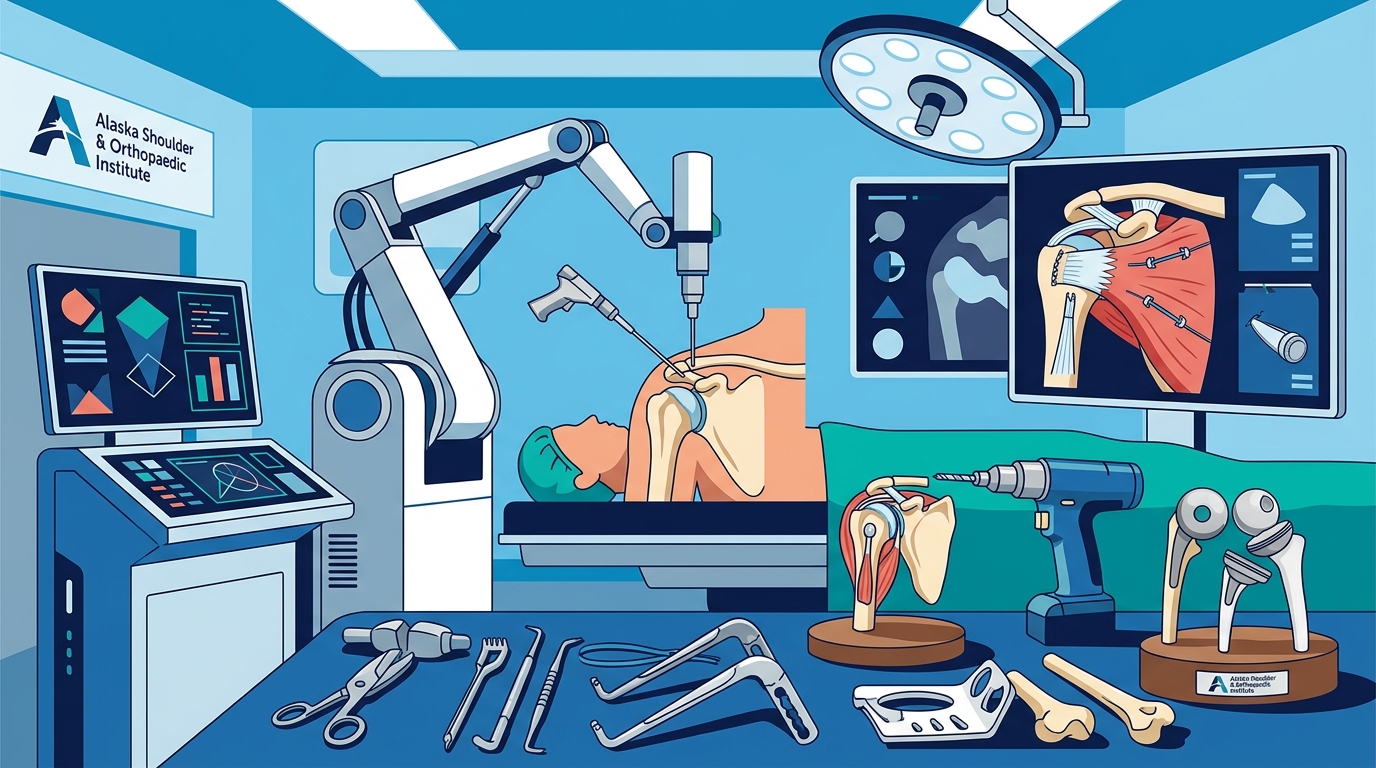
The surgical facility plays a crucial role in the success of your procedure. Anchorage offers several high-quality medical centers, but not all are equipped with the latest orthopedic technology. Look for facilities that utilize advanced arthroscopic systems, 3D imaging, and robotic-assisted surgery if available. These technologies allow for greater precision, smaller incisions, and faster recovery times.
According to the Centers for Disease Control and Prevention, healthcare-associated infections are a significant concern in surgical settings. Choosing an accredited facility with strict infection control protocols is essential. The Joint Commission provides accreditation data for hospitals and surgical centers, ensuring they meet national standards for safety and quality. You can review facility ratings on the Healthgrades platform or through the Joint Commission website.
Consultation Checklist
A thorough consultation is your opportunity to assess the surgeon's communication style, approach to treatment, and willingness to answer your questions. Prepare a list of questions before your appointment to ensure you cover all critical aspects. Below is a comparison of key factors to evaluate during your consultation.
| Factor | What to Look For | Why It Matters |
|---|---|---|
| Board Certification | ABOS certification in Orthopaedic Surgery | Ensures baseline competency and ethical standards |
| Fellowship Training | Shoulder and Elbow Surgery Fellowship | Indicates specialized expertise in upper extremity reconstruction |
| Surgical Volume | High annual volume of shoulder procedures | Correlates with improved patient outcomes and fewer complications |
| Technology | Advanced arthroscopic and imaging systems | Enables minimally invasive techniques and precise diagnostics |
| Recovery Protocol | Clear, personalized post-op plan | Ensures structured rehabilitation and optimal healing |
Key Takeaways
- Board certification by the American Board of Orthopaedic Surgery is the minimum standard for any shoulder reconstruction surgeon.
- Fellowship training in shoulder and elbow surgery provides specialized expertise that general orthopedists may lack.
- High surgical volume is a strong predictor of positive patient outcomes and reduced complication rates.
- Accredited facilities with advanced arthroscopic technology enhance surgical precision and recovery speed.
- Personalized recovery protocols are essential for restoring range of motion and strength after reconstruction.
- Communication style during the consultation is a critical indicator of the surgeon-patient relationship.
- Reviewing independent patient satisfaction scores can provide additional insight into a surgeon's bedside manner.
Frequently Asked Questions
How do I verify a surgeon's board certification?
You can verify board certification through the American Board of Orthopaedic Surgery (ABOS) website or the American Academy of Orthopaedic Surgeons (AAOS) public directory. These resources provide official confirmation of a surgeon's credentials and any disciplinary history.
What is the difference between arthroscopic and open shoulder reconstruction?
Arthroscopic surgery uses small incisions and a camera to guide instruments, resulting in less tissue damage and faster recovery. Open reconstruction involves a larger incision and is typically reserved for complex cases requiring extensive grafting or bone work. The choice depends on the specific pathology and the surgeon's recommendation.
How long is the recovery period for shoulder reconstruction?
Recovery varies based on the procedure and individual healing rates. Generally, patients can expect 6 to 12 weeks for initial healing and 6 to 12 months for full strength restoration. Physical therapy is a critical component of the recovery process and begins shortly after surgery.
What are the risks of shoulder reconstruction surgery?
Common risks include infection, blood clots, nerve injury, and stiffness. According to the National Institutes of Health, while serious complications are rare, patients should discuss their specific risk factors with their surgeon during the consultation. Pre-existing conditions like diabetes can increase the risk of infection.
Will insurance cover shoulder reconstruction in Anchorage?
Most insurance plans cover medically necessary shoulder reconstruction. However, coverage details vary by provider and policy. It is essential to verify benefits with your insurance company and the surgeon's billing department before scheduling the procedure. Pre-authorization is often required.
How important is the surgeon's communication style?
A surgeon who communicates clearly and listens to your concerns is vital for a successful partnership. You should feel comfortable asking questions and receiving honest answers about risks and outcomes. Poor communication can lead to misunderstandings about recovery expectations and post-operative care.
Can I see before-and-after photos of previous patients?
Many surgeons maintain portfolios of before-and-after images to demonstrate their surgical results. These photos can provide insight into the surgeon's aesthetic and functional outcomes. However, individual results vary, and photos should be viewed as illustrative rather than guarantees.
Next Steps
Selecting the right shoulder reconstruction surgeon in Anchorage requires careful evaluation of credentials, specialization, and facility quality. By following this guide, you can make an informed decision that prioritizes your long-term health and functional recovery. If you are experiencing shoulder pain or instability, do not delay seeking professional evaluation. Early intervention can prevent further damage and improve surgical outcomes.
For expert care and personalized treatment plans, visit AK Shoulder to schedule a consultation with our specialized team. We are dedicated to restoring your shoulder function and helping you return to the activities you love. Contact us today to begin your journey toward recovery.