
Shoulder pain affects millions of people annually, often stemming from overuse, trauma, or degenerative conditions. According to the American Academy of Orthopaedic Surgeons, shoulder problems are among the most common reasons patients seek orthopedic care. Navigating the healthcare system to find the right provider can feel overwhelming. This guide breaks down the essential steps for evaluating and selecting a specialist who aligns with your specific medical needs and recovery goals.
Verify Specialization and Credentials
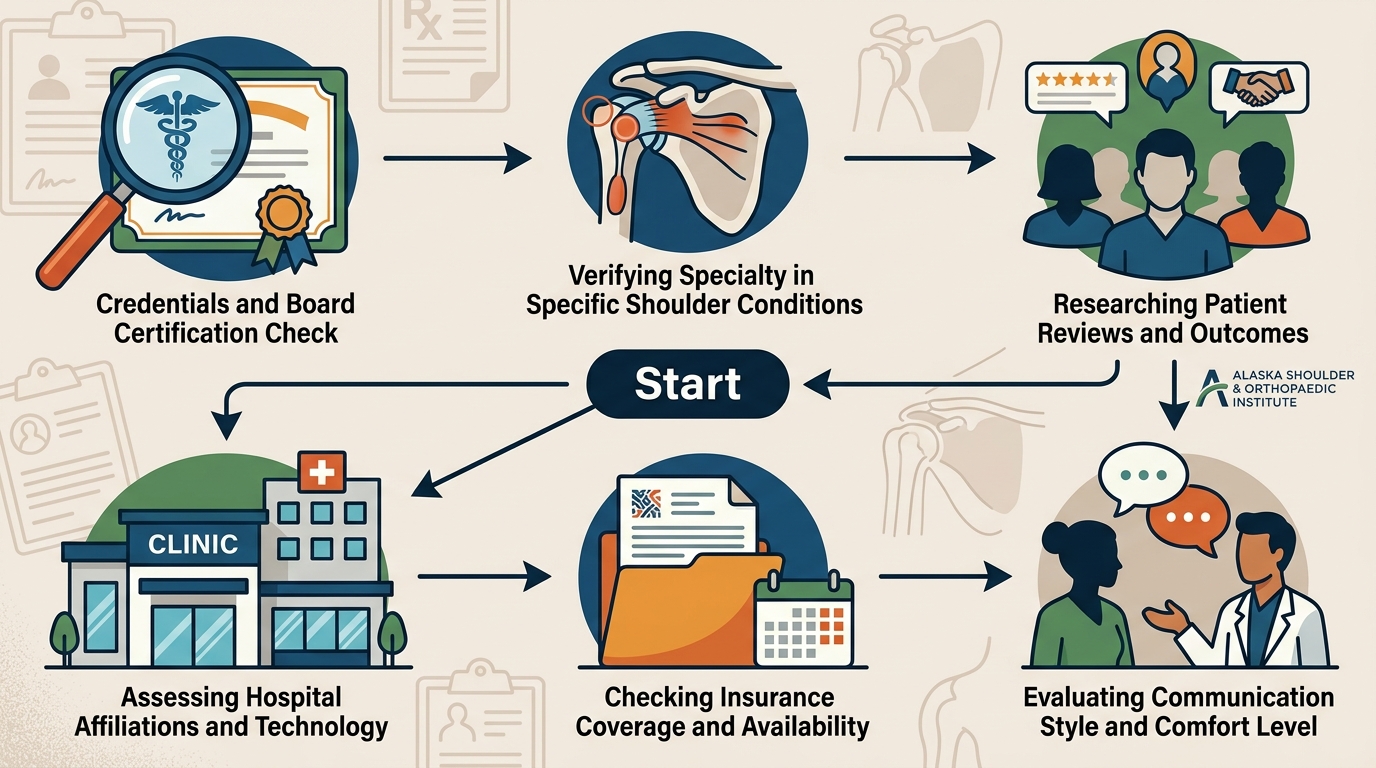
The first step in your search is ensuring the provider has the specific expertise required for shoulder conditions. Shoulder anatomy is complex, involving intricate joints, ligaments, and tendons that require precise diagnosis. A general orthopedist may not have the depth of experience needed for complex shoulder reconstruction.
Look for a surgeon who is highly specialized in shoulder reconstruction. This specialization ensures they encounter a high volume of shoulder cases, which correlates with better surgical outcomes. Board certification is a baseline requirement, but fellowship training in shoulder and elbow surgery is the gold standard. This advanced training focuses exclusively on the upper extremity, providing a level of nuance that general orthopedics often lacks.
When reviewing credentials, check if the provider is affiliated with reputable hospitals and medical societies. These affiliations often indicate a commitment to continuing education and adherence to high clinical standards. For example, the American Academy of Orthopaedic Surgeons provides resources for patients to find certified specialists. Additionally, the American Shoulder and Elbow Surgeons society sets rigorous standards for shoulder care, making their membership a strong indicator of expertise.
Assess Technology and Treatment Options
Modern orthopedics has moved beyond traditional surgery alone. The best specialists offer a comprehensive range of treatments, from conservative care to advanced surgical interventions. It is crucial to find a provider who utilizes the latest diagnostic imaging and minimally invasive techniques.
Ask about the technology used for diagnosis. High-resolution MRI and dynamic ultrasound are essential for accurately identifying soft tissue injuries, such as rotator cuff tears or labral damage. Furthermore, inquire about the availability of rejuvenative therapies. These include stem cell injections, peptide therapies, and plasma injections. These options can be critical for patients seeking to avoid surgery or accelerate recovery post-surgery.
A provider like Alaska Shoulder & Orthopaedic Institute offers these advanced therapies, demonstrating a commitment to holistic patient care. According to recent medical literature, regenerative medicine is increasingly recognized for its potential in treating chronic musculoskeletal conditions. Ensure your chosen specialist is up-to-date with these advancements.
Evaluate the Consultation Approach
The initial consultation is your opportunity to gauge the provider's communication style and diagnostic thoroughness. A good specialist will listen to your history, perform a physical exam, and explain their findings clearly. They should not rush to recommend surgery as the first option.
During the consultation, pay attention to how they explain your condition. Do they use clear, understandable language? Do they address your concerns about recovery time and functional limitations? A specialist who takes the time to educate you is more likely to involve you in your treatment plan. This collaborative approach is linked to higher patient satisfaction and better adherence to rehabilitation protocols.
Also, consider the support staff. The experience of working with physician assistants and nurse practitioners can significantly impact your care. For instance, Leland Grohs PA-C brings a background in family care and orthopedic technology, offering a unique perspective on patient management. Providers who value their support team often deliver more consistent and compassionate care.
Consider Logistics and Accessibility
Orthopedic care often requires multiple visits for imaging, therapy, and follow-up. Therefore, the location and accessibility of the clinic are practical but vital factors. If you live in a region with limited access to specialized care, such as Alaska, finding a local expert is crucial to avoid the burden of traveling for routine care.
Check if the clinic offers a patient portal for easy scheduling, accessing medical records, and communicating with your provider. Digital tools streamline the healthcare experience and reduce administrative friction. For example, Alaska Shoulder & Orthopaedic Institute provides a patient portal to enhance accessibility for its community.
Insurance compatibility is another logistical consideration. Verify that the specialist and their facility are in-network with your insurance provider to minimize out-of-pocket costs. Understanding your coverage before your first visit prevents unexpected financial surprises.
Compare Treatment Options
Once you have narrowed down your list of specialists, compare their proposed treatment plans. This comparison should focus on the alignment of their approach with your personal goals. Some patients prioritize returning to high-impact sports, while others focus on pain relief for daily activities.
| Treatment Category | Description | Best For |
|---|---|---|
| Conservative Care | Physical therapy, anti-inflammatory medications, and activity modification. | Mild to moderate injuries, early-stage arthritis. |
| Rejuvenative Therapies | Stem cell, peptide, and plasma injections to promote healing. | Chronic pain, patients seeking to avoid surgery. |
| Minimally Invasive Surgery | Arthroscopic procedures for repair and debridement. | Structural damage not responding to conservative care. |
| Open Reconstruction | Complex surgical repair for severe instability or fracture. | Advanced degeneration, traumatic injuries. |
According to the Johns Hopkins Medicine, treatment success depends heavily on matching the intervention to the specific pathology. Do not hesitate to seek a second opinion if a recommended treatment plan feels aggressive or unclear. A reputable specialist will welcome a second opinion as part of responsible medical practice.
Key Takeaways
- Specialization Matters: Choose a surgeon highly specialized in shoulder reconstruction for complex cases.
- Advanced Therapies: Look for providers offering rejuvenative therapies like stem cells and plasma injections.
- Communication: Select a provider who explains conditions clearly and involves you in decision-making.
- Support Team: Consider the qualifications of physician assistants and nurse practitioners in the practice.
- Accessibility: Utilize patient portals and local clinics to streamline your care journey.
- Insurance: Verify in-network status before starting treatment to manage costs effectively.
- Second Opinions: Always feel empowered to seek a second opinion for surgical recommendations.
Frequently Asked Questions
What is a shoulder specialist?
A shoulder specialist is an orthopedic surgeon who has completed additional fellowship training focused exclusively on the diagnosis and treatment of shoulder and elbow conditions.
When should I see a shoulder specialist?
You should see a specialist if you experience persistent shoulder pain, limited range of motion, or instability that does not improve with rest and over-the-counter medication after a few weeks.
What is the difference between an orthopedist and a shoulder specialist?
While all shoulder specialists are orthopedists, not all orthopedists specialize in shoulders. A shoulder specialist has focused their career on the upper extremity, offering deeper expertise in complex shoulder anatomy and surgery.
Do I need a referral to see a shoulder specialist?
Depending on your insurance plan, you may need a referral from a primary care physician. However, many plans allow direct access to specialists. Check your policy details or contact the clinic for assistance with insurance verification.
What are rejuvenative therapies?
Rejuvenative therapies include treatments like stem cell injections, peptide therapies, and plasma injections. These are designed to reduce inflammation and promote natural healing without the need for invasive surgery.
How do I prepare for my first consultation?
Gather any previous imaging results, a list of current medications, and a detailed history of your symptoms. Write down your questions and goals for treatment to make the most of your visit.
What is the typical recovery time for shoulder surgery?
Recovery varies based on the procedure. Arthroscopic repairs may take 3 to 6 months, while complex reconstructions can take up to a year. Your specialist will provide a personalized timeline based on your specific case.
Contact Us
If you are struggling with shoulder pain and need expert care, do not wait. Early intervention can prevent further damage and improve your long-term outcomes. Alaska Shoulder & Orthopaedic Institute is dedicated to providing high-quality, specialized care to the Anchorage community. Contact us today to schedule your evaluation and take the first step toward a pain-free life.