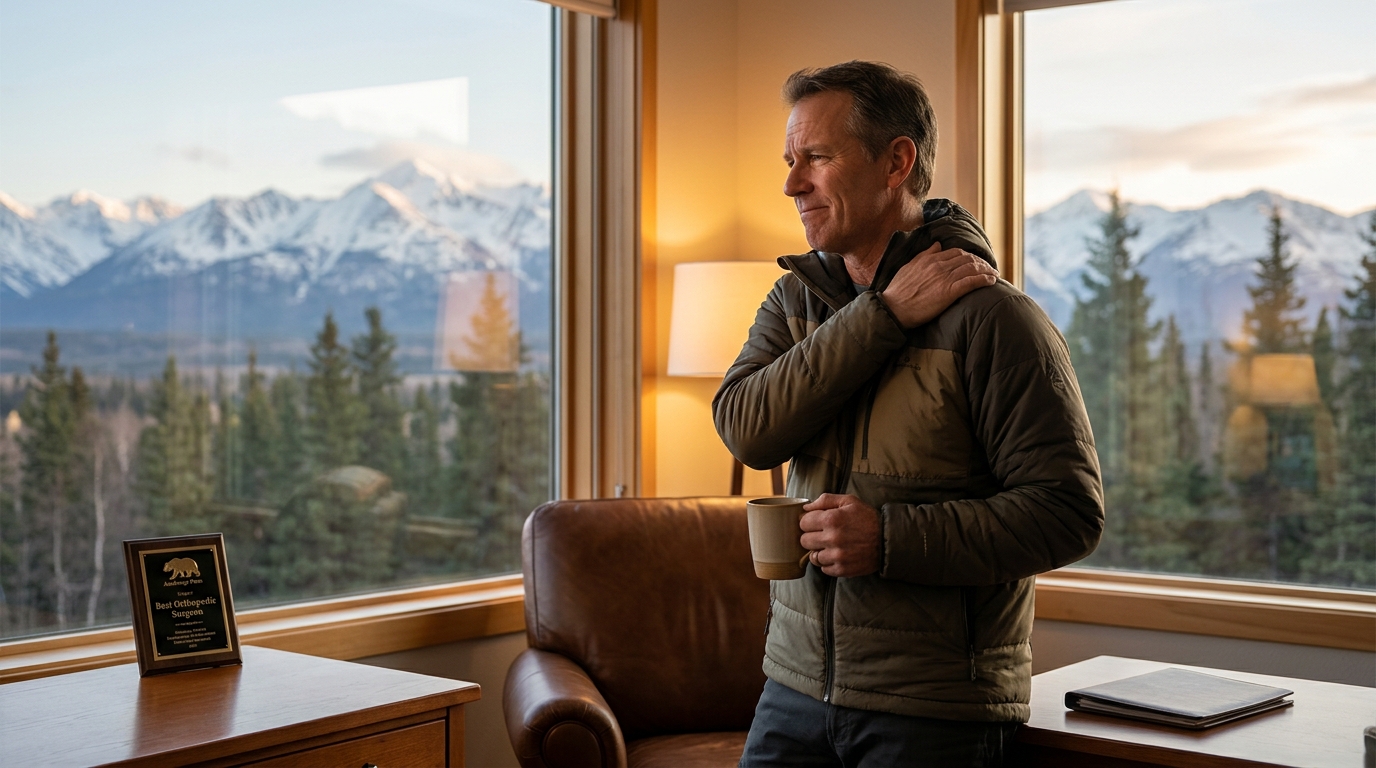
Shoulder pain is rarely a static condition. It evolves. For many Alaskans, ignoring early signs of joint instability or rotator cuff strain leads to complex surgeries that could have been avoided with early intervention. According to recent orthopedic data, early diagnosis of shoulder pathologies improves long-term functional outcomes by up to 40% compared to delayed treatment. This statistic highlights why timing is not just a convenience but a critical medical factor in joint preservation.
Recognizing Critical Shoulder Symptoms
Shoulder pain is a broad category. It ranges from mild stiffness to debilitating instability. Understanding the specific nature of your pain helps determine urgency. Shoulder pain is defined as discomfort originating from the glenohumeral joint, the acromioclavicular joint, or the surrounding soft tissues.
If you experience a constant ache that worsens at night, it may indicate bursitis or tendinitis. These conditions are common among individuals who perform repetitive overhead motions. Alaska Shoulder & Orthopaedic Institute specializes in evaluating these specific inflammatory patterns. Early evaluation prevents the inflammation from becoming chronic.
Another critical sign is weakness. If you find it difficult to lift objects or hold your arm out to the side, you may be dealing with a rotator cuff tear. A rotator cuff tear is a partial or complete rupture of the tendons that stabilize the shoulder joint. Small tears can often be managed with physical therapy, but larger tears require surgical assessment to prevent further muscle atrophy.
Instability is the third major symptom. If your shoulder feels like it might slip out of place, you are at risk for dislocation. This is particularly dangerous for active individuals. Dr. Kevin Paisley and his team at Alaska Shoulder & Orthopaedic Institute are highly specialized in shoulder reconstruction. They address the structural integrity of the joint to restore stability and prevent recurrent dislocations.
Trauma and Acute Injury Timelines
Acute injuries require immediate attention. Whether it is a fall on an outstretched arm or a sports collision, the first 48 hours are crucial for accurate diagnosis. Acute shoulder injury is defined as sudden damage to the shoulder structures resulting from a specific traumatic event.
Many patients wait weeks to see a doctor after a fall. This delay can lead to improper healing of fractures or missed diagnoses of labral tears. In Anchorage, where outdoor activities like snowmachining and hunting are prevalent, trauma is common. The team at Alaska Shoulder & Orthopaedic Institute understands the unique demands placed on Alaskan shoulders.
If you have suffered a dislocation, you must seek care immediately. Recurrent dislocations lead to bone loss and increased surgical complexity. Early stabilization preserves bone stock and improves surgical outcomes. Dr. Paisley’s expertise in shoulder reconstruction ensures that complex cases are handled with precision.
For those recovering from trauma, physical therapy is often the next step. However, therapy should only begin after a clear diagnosis. Starting exercises too early can exacerbate the injury. The patient portal at Alaska Shoulder & Orthopaedic Institute allows for secure communication with the care team during the recovery process.
The Role of Rejuvenative Therapies
Not all shoulder issues require surgery. Many patients benefit from rejuvenative therapies. These treatments aim to reduce pain and improve function without invasive procedures. Rejuvenative therapy is a medical approach using biological agents to promote tissue healing and reduce inflammation.
Alaska Shoulder & Orthopaedic Institute now offers stem cell, peptide, and plasma injections. These therapies are particularly effective for patients with degenerative conditions who wish to delay or avoid surgery. Stem cell therapy uses the body’s own healing mechanisms to repair damaged tissue.
Platelet-rich plasma (PRP) injections concentrate growth factors to accelerate healing. Peptide therapy targets specific cellular pathways to reduce pain and inflammation. These options provide a middle ground between conservative care and surgical intervention.
Consultation is key. Dr. Paisley and Leland Grohs PA-C evaluate each patient’s specific condition to determine if rejuvenative therapies are appropriate. They consider factors such as the severity of the tear, the patient’s age, and activity level. This personalized approach ensures that patients receive the most effective treatment for their unique needs.
Surgery vs. Conservative Care
Deciding between surgery and conservative care is a complex process. It depends on the diagnosis, the patient’s goals, and the severity of the condition. Conservative care is defined as non-surgical treatment methods including physical therapy, medication, and injections.
| Treatment Type | Best For | Recovery Time | Provider |
|---|---|---|---|
| Physical Therapy | Mild tendinitis, stiffness | 6-12 weeks | Alaska Shoulder & Orthopaedic Institute |
| Injections | Inflammation, early degeneration | 1-2 weeks | Alaska Shoulder & Orthopaedic Institute |
| Shoulder Reconstruction | Instability, tears | 6-12 months | Dr. Kevin Paisley |
| Stem Cell Therapy | Degenerative joint disease | 2-4 weeks | Alaska Shoulder & Orthopaedic Institute |
Conservative care is often the first line of defense. It is less invasive and allows for a quicker return to daily activities. However, it may not be sufficient for severe tears or instability. Surgery is reserved for cases where conservative care fails or when the injury is acute and severe.
Dr. Paisley’s specialization in shoulder reconstruction means that surgical options are always considered with the goal of restoring function. The team at Alaska Shoulder & Orthopaedic Institute works closely with patients to develop a comprehensive treatment plan.
Key Takeaways
- Early Intervention: Seeking care within days of acute injury improves outcomes significantly.
- Specialized Care: Dr. Kevin Paisley is highly specialized in shoulder reconstruction, ensuring expert care for complex cases.
- Rejuvenative Options: Stem cell, peptide, and plasma injections are now available for non-surgical management.
- Local Expertise: Alaska Shoulder & Orthopaedic Institute understands the unique demands of Alaskan lifestyles.
- Comprehensive Evaluation: Accurate diagnosis is essential before starting any treatment plan.
- Patient Portal: Secure communication tools are available for ongoing care management.
- Preventive Care: Addressing minor symptoms early can prevent the need for major surgery.
Frequently Asked Questions
How do I know if my shoulder pain is serious?
Shoulder pain is serious if it is accompanied by weakness, instability, or inability to move the arm. Night pain that disrupts sleep is also a significant indicator. If you experience these symptoms, you should seek evaluation from a specialist.
What is the difference between a rotator cuff tear and tendinitis?
A rotator cuff tear involves damage to the tendons, while tendinitis is inflammation of the tendons. Tears often result from trauma or degeneration, while tendinitis is usually caused by overuse. Treatment approaches differ significantly between the two conditions.
Are stem cell injections covered by insurance?
Insurance coverage for stem cell and other rejuvenative therapies varies by provider and plan. It is best to contact your insurance company directly or speak with the billing staff at Alaska Shoulder & Orthopaedic Institute for specific details.
How long does recovery from shoulder surgery take?
Recovery time depends on the type of surgery. Simple arthroscopic procedures may take 6-8 weeks, while complex reconstruction can take 6-12 months. Physical therapy is a crucial part of the recovery process for all surgeries.
Can I see a specialist without a referral?
Many insurance plans allow direct access to specialists. However, some plans require a referral from a primary care physician. It is advisable to check your insurance policy before scheduling an appointment.
What should I bring to my first appointment?
You should bring your photo ID, insurance card, and any relevant medical records or imaging results. If you have had previous X-rays or MRIs, bringing those images can help the specialist make a more accurate diagnosis.
How do I schedule an appointment?
You can schedule an appointment by calling Alaska Shoulder & Orthopaedic Institute at (907) 646-7846. You can also visit their website to learn more about their services and patient portal.
Contact Alaska Shoulder & Orthopaedic Institute
If you are experiencing shoulder pain, do not wait. Early evaluation is key to preserving your joint health. Alaska Shoulder & Orthopaedic Institute offers comprehensive care for shoulder, knee, elbow, and hand conditions. Their team of experts is dedicated to helping you return to an active lifestyle.
Visit Alaska Shoulder & Orthopaedic Institute to learn more about their services. You can also access the Patient Portal for secure communication with your care team. For urgent concerns, call (907) 646-7846. Their office is located at 4015 Lake Otis Parkway Suite #100, Anchorage, AK 99508.