
Shoulder pain affects millions of individuals across Alaska, often limiting mobility and reducing quality of life. Recent data shows that regenerative medicine procedures in the Anchorage area have seen a significant increase in demand as patients seek alternatives to traditional surgery. According to industry reports, the average cost for regenerative shoulder therapies ranges widely based on the specific technology used and the severity of the injury. Understanding the financial and clinical differences between Platelet-Rich Plasma (PRP) and stem cell injections is critical for making an informed healthcare decision.
What is PRP Therapy?
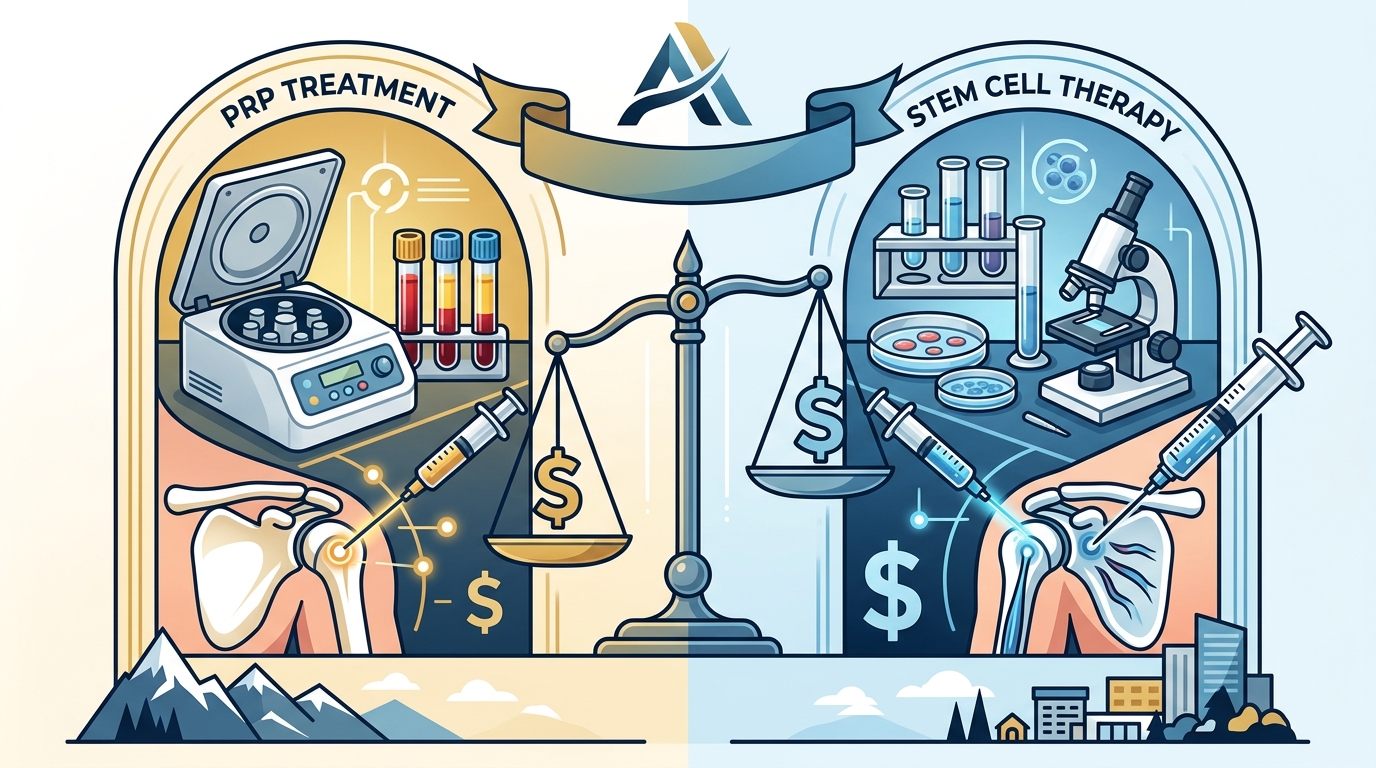
Platelet-Rich Plasma (PRP) is a concentrated solution of your own blood platelets. Platelets are known for their role in blood clotting, but they also contain growth factors that stimulate healing. The process begins with a simple blood draw from your arm. This blood is then placed in a centrifuge machine that spins at high speeds to separate the platelets from other blood components.
Once concentrated, the PRP is injected directly into the injured shoulder tissue. This procedure is designed to accelerate the body's natural healing response. It is particularly effective for mild to moderate tendonitis, rotator cuff tears, and early-stage arthritis. The treatment is minimally invasive and typically performed in an outpatient setting at Alaska Shoulder & Orthopaedic Institute.
Understanding Stem Cell Injections
Stem cell therapy represents a more advanced tier of regenerative medicine. Stem cells are unique because they have the potential to develop into different types of cells in the body. In orthopedic applications, these cells are often derived from bone marrow or adipose (fat) tissue. The goal is to introduce cells that can differentiate into bone, cartilage, or muscle tissue to repair damaged structures.
At our Anchorage clinic, we offer rejuvenative therapies including stem cell injections alongside other advanced options. This treatment is generally reserved for more severe injuries where PRP may not provide sufficient healing. The procedure involves harvesting the cells from the patient and preparing them for injection into the shoulder joint. This approach aims to not only reduce pain but also promote actual tissue regeneration.
Cost Breakdown: PRP vs Stem Cell
One of the most common questions patients ask is about the financial difference between these two treatments. While insurance coverage varies significantly, understanding the baseline costs helps in planning your healthcare budget. PRP is generally more affordable because the preparation process is less complex and does not require the same level of cell isolation technology.
Stem cell treatments are typically more expensive due to the complexity of the harvesting and processing methods. Additionally, the scarcity of qualified providers and the specialized nature of the cells drive up the price. Below is a comparative overview of the typical characteristics associated with each treatment type.
| Feature | PRP Therapy | Stem Cell Therapy |
|---|---|---|
| Source | Patient's own blood | Bone marrow or fat tissue |
| Complexity | Low to Moderate | High |
| Typical Cost Range | Lower | Higher |
| Best For | Mild to moderate tears | Severe degeneration |
Efficacy and Recovery Time
The effectiveness of each treatment depends heavily on the specific diagnosis. PRP works by flooding the injury site with growth factors. This stimulates the body's repair mechanisms. Patients often report pain relief within a few weeks, though full healing can take several months. It is a popular choice for athletes who want to return to play quickly.
Stem cell therapy aims for a more profound structural repair. Because the cells can differentiate into new tissue, the potential for long-term healing is higher. However, the recovery timeline may be longer initially due to the more invasive nature of the harvesting process. Data indicates that patients with severe osteoarthritis often see better outcomes with stem cells than with PRP alone.
Patient Candidacy and Selection
Not every patient is a candidate for either treatment. Your orthopedic specialist will evaluate your shoulder condition using imaging studies like MRI or X-rays. Factors such as the size of the tear, the amount of arthritis, and your overall health play a role in the recommendation.
If you have mild tendonitis, PRP is often the first line of defense. It is less invasive and carries a lower risk profile. If you have advanced joint degeneration or a large rotator cuff tear, stem cell therapy might be recommended. Our team at Alaska Shoulder & Orthopaedic Institute provides personalized evaluations to determine the best path forward. We also offer peptide injections as part of our comprehensive rejuvenative care options.
Key Takeaways
- Cost Difference: Stem cell therapy is generally more expensive than PRP due to processing complexity.
- Source Material: PRP uses blood, while stem cells often come from bone marrow or fat.
- Recovery: PRP often has a faster initial recovery, while stem cells target deeper tissue repair.
- Provider Expertise: Choose a highly specialized institute like Alaska Shoulder & Orthopaedic Institute for accurate diagnosis.
- Insurance: Most insurance plans do not cover regenerative medicine; check your policy details.
- Location: Anchorage residents have access to top-tier orthopedic care locally.
- Consultation: A physical exam is required to determine candidacy for either procedure.
Frequently Asked Questions
Is PRP therapy painful?
Most patients experience mild discomfort during the injection. Numbing medication is typically used to minimize pain during the procedure.
How long do stem cell results last?
Results vary by patient, but many individuals experience pain relief for one to two years or longer, depending on the severity of the initial injury.
Can I combine PRP and stem cell treatments?
In some cases, doctors may combine therapies to maximize healing potential. This decision is made on a case-by-case basis during your consultation.
Is stem cell therapy FDA approved?
The FDA regulates stem cell products strictly. Autologous stem cell procedures, where your own cells are used, are generally permitted under specific guidelines.
How soon can I return to work after PRP?
Most patients can return to non-physical work within a few days. Heavy labor may require a longer period of rest.
Do you offer financing options?
Regenerative treatments are often considered elective. We recommend contacting our office to discuss available payment plans or financing partners.
What is the success rate of these treatments?
Success rates are high for appropriate candidates. Studies show significant improvement in pain and function for many patients with rotator cuff issues.
Schedule Your Consultation
Do not let shoulder pain dictate your life. Whether you are considering PRP or stem cell therapy, the first step is a comprehensive evaluation by an expert. Visit Alaska Shoulder & Orthopaedic Institute in Anchorage to discuss your options. Our team is dedicated to helping you achieve a pain-free, active lifestyle through advanced orthopedic care.